
Kidapawan vs. Manila: Detailed 2026 Cost of Living & Quality Comparison
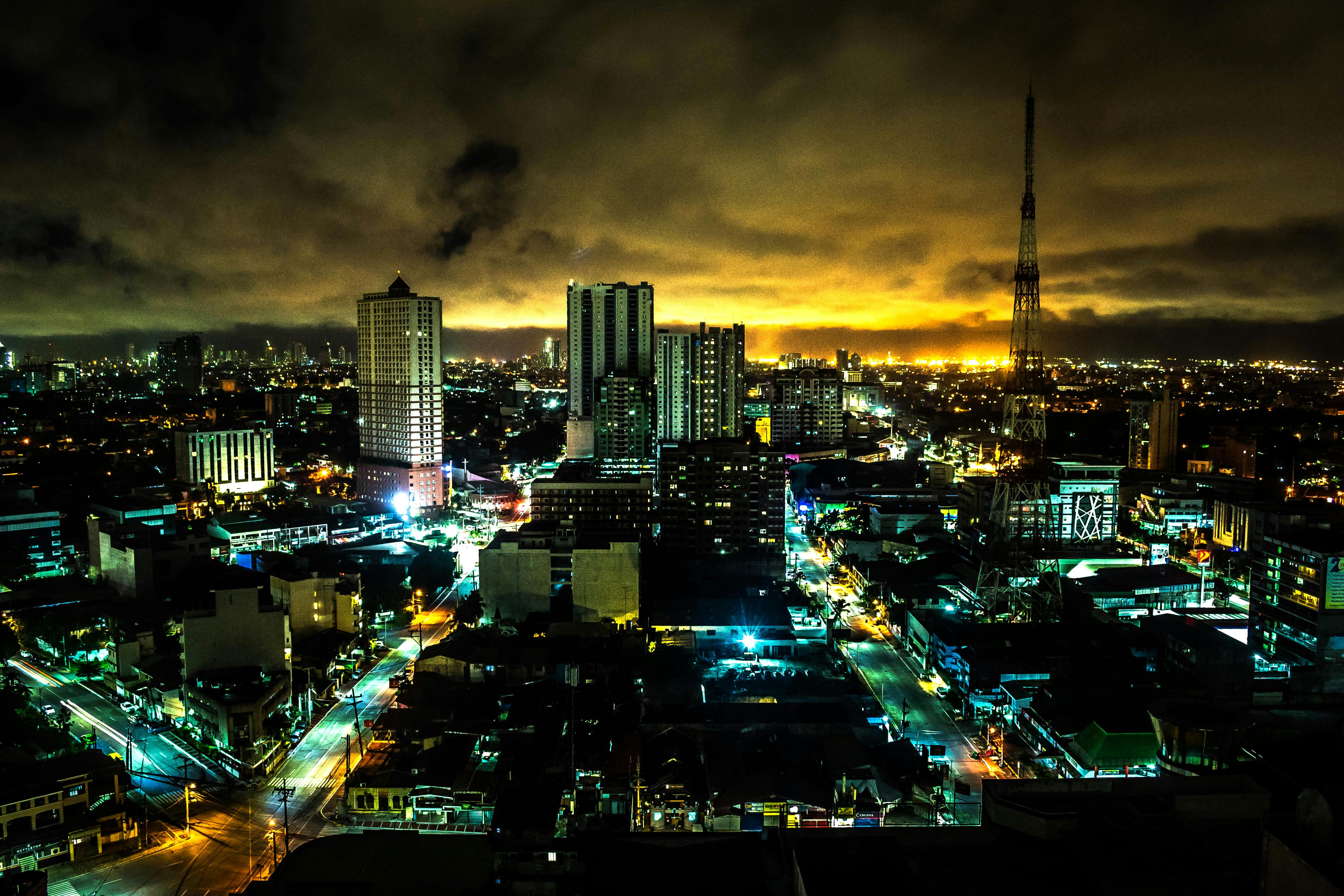 Kidapawan
Image by:Picasso Dela Cruz
Kidapawan
Image by:Picasso Dela Cruz
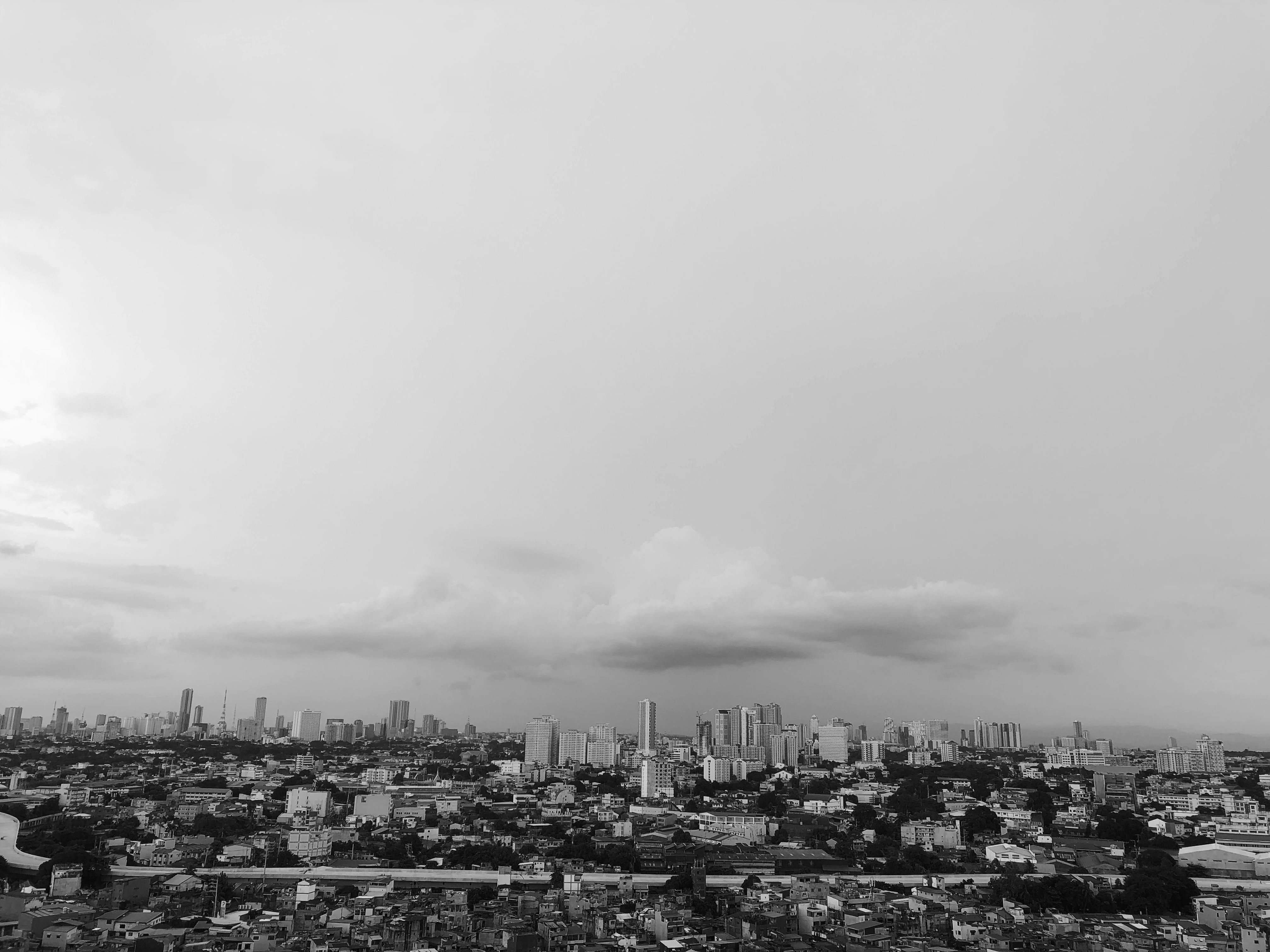 Manila
Image by:Honey Valdez
Manila
Image by:Honey Valdez
Kidapawan presents a significantly lower cost of living compared to Manila, impacting nearly every daily expense category. Basic groceries, restaurant meals, transportation, utilities, childcare, and rent are substantially cheaper in Kidapawan. Rent for a 1-bedroom apartment in the city center is approximately $169.51/month, a fraction of the over $573/month required in Manila. Property prices in Kidapawan are correspondingly lower, reflecting less intense demand. While Kidapawan's GDP per capita ($9,900) aligns with the national average implicitly, the data suggests a lower economic base than the economic powerhouse represented by Manila, despite the identical figure potentially indicating a data artifact or national baseline comparison.
The quality of life metrics starkly contrast between the two cities. Kidapawan generally scores higher on quality of life indicators, likely benefiting from less urban stressors. Conversely, Manila faces significant challenges, including high pollution levels (index 89.53) and long commute times (traffic index 50.74), alongside lower scores for safety and healthcare access compared to the implicit national baseline. While certain suburban areas of Manila might offer slightly better conditions, the overall quality of life for the city proper remains substantially lower than that typically found in smaller cities like Kidapawan.
From an investment and career perspective, the choices diverge considerably. Manila, as the nation's economic hub, likely offers a wider array of job opportunities and potentially higher salaries, though adjusted for the city's high cost of living, the net financial benefit may be less substantial than the raw salary figure suggests. This environment, however, comes with intense competition and significant financial strain. Kidapawan offers a lower-risk environment with more affordable real estate, but the economic data points to a smaller base and potentially fewer high-income job opportunities compared to the national scale represented by Manila.
The GDP growth rate appears similar for both cities at 5.55%, but the underlying economic activity differs vastly. Manila operates on a much larger scale, offering more extensive career advancement prospects across diverse sectors. Kidapawan, conversely, presents a more limited economic landscape. The decision between these cities hinges on weighing the potential for higher earnings and more opportunities in Manila against the lower earning potential and fewer growth avenues in Kidapawan, alongside the crucial factor of significantly lower costs and a potentially better quality of life in Kidapawan.
Kidapawan and Manila represent fundamentally different urban experiences. Kidapawan offers a substantially lower cost of living, more affordable housing, and a generally better quality of life, making it suitable for those prioritizing affordability and a less intense urban environment. Manila, conversely, is a major economic center with potentially more career opportunities and higher earning potential, but it comes at the cost of a vastly higher cost of living, significant pollution, heavy traffic, and generally lower quality of life scores. The choice depends entirely on individual priorities regarding financial burden versus career advancement and lifestyle demands.
 Kidapawan
 Manila
Local cuisine & dishes
Kidapawan
Manila
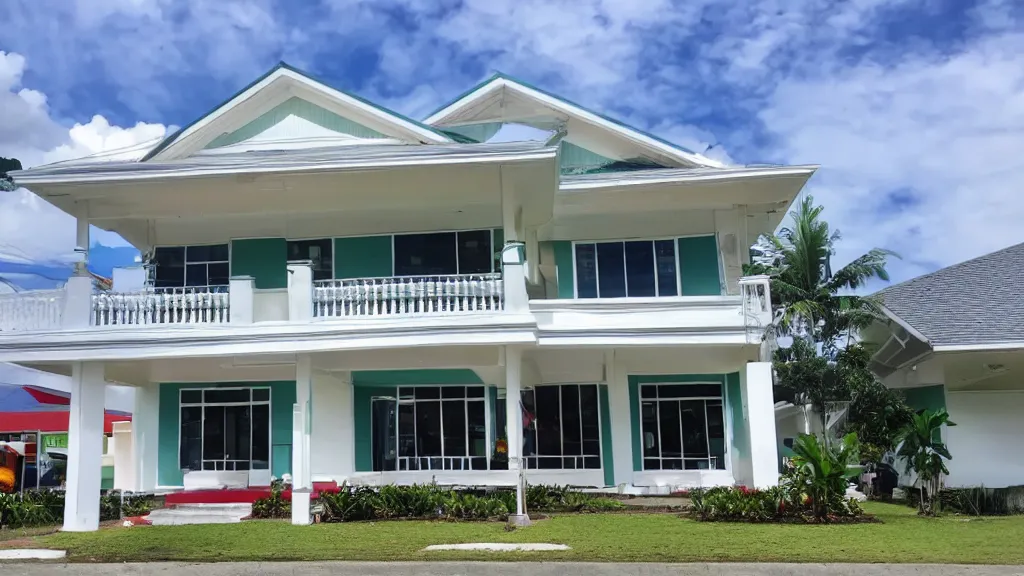 Kidapawan
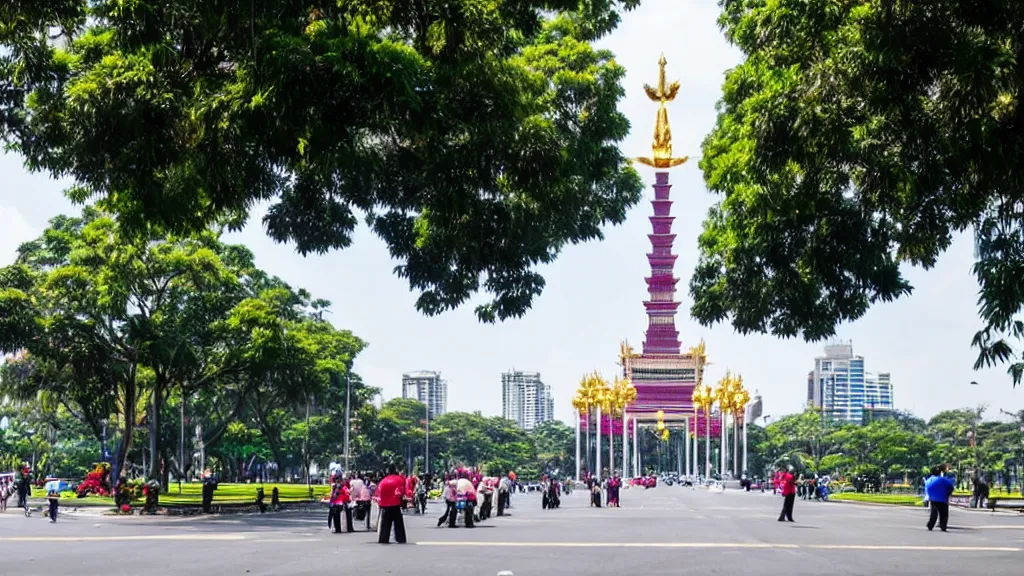 Manila
Travel & attractions
Kidapawan
Manila
Real estate & living comparison
| Kidapawan | Manila | |
|---|---|---|
| International Primary School, Annual Tuition per Child | 7628.02 USD | 12048.24 USD |
| Private Full-Day Preschool or Kindergarten, Monthly Fee per Child | 113.95 USD | 542.46 USD |
| Jeans (Levi's 501 or Similar) | 55.09 USD | 53.84 USD |
| Men's Leather Business Shoes | 65.69 USD | 54.12 USD |
| Apples (1 kg) | 2.82 USD | 3.31 USD |
| Bananas (1 kg) | 1.14 USD | 2.07 USD |
| 1 Bedroom Apartment in City Centre | 169.51 USD | 573.16 USD |
| 1 Bedroom Apartment Outside of City Centre | 118.66 USD | 276.43 USD |
| Bottled Water (0.33 Liter) | 0.38 USD | 0.88 USD |
| Cappuccino (Regular Size) | 2.75 USD | 2.65 USD |
| Annual Mortgage Interest Rate (20-Year Fixed, in %) | 8.31 USD | 7.43 USD |
| GDP Growth Rate: | 5.55 USD | 5.55 USD |
| Cinema Ticket (International Release) | 5.09 USD | 7.03 USD |
| Gasoline (1 Liter) | 1.02 USD | 1.07 USD |
| One-Way Ticket (Local Transport) | 0.25 USD | 0.51 USD |
| Basic Utilities for 85 m2 Apartment (Electricity, Heating, Cooling, Water, Garbage) | 84.76 USD | 117.62 USD |
| Broadband Internet (Unlimited Data, 60 Mbps or Higher) | 33.33 USD | 25.95 USD |
| Population | 160,791 | 24,922,000 |
Last updated: 2026-04-05T17:41:09+00:00
More city comparisons
From Philippines
- Chetumal vs Dasmarinas
- Manila vs Suzhou
- Bulawayo vs Taytay
- Iloilo vs Catacamas
- Dumaguete City vs Porto Velho
- Manila vs Cologne
- Marseille vs Manila
- Manila vs Johannesburg
- Newcastle vs Naga
- Manila vs Taipei
- Santiago vs 's-Hertogenbosch
- Tampa vs Santiago
- Jalapa vs Cagayan de Oro
- San Jose vs Kampong Cham
- Panipat vs Malaybalay
- Taytay vs Termiz
- Taytay vs Tucson
- Santiago vs Manila
- Vienna vs Manila
- Dipolog vs Abeokuta
Comments for this comparison