
Lausanne vs. Ado-Ekiti: Detailed 2026 Cost of Living & Quality Comparison
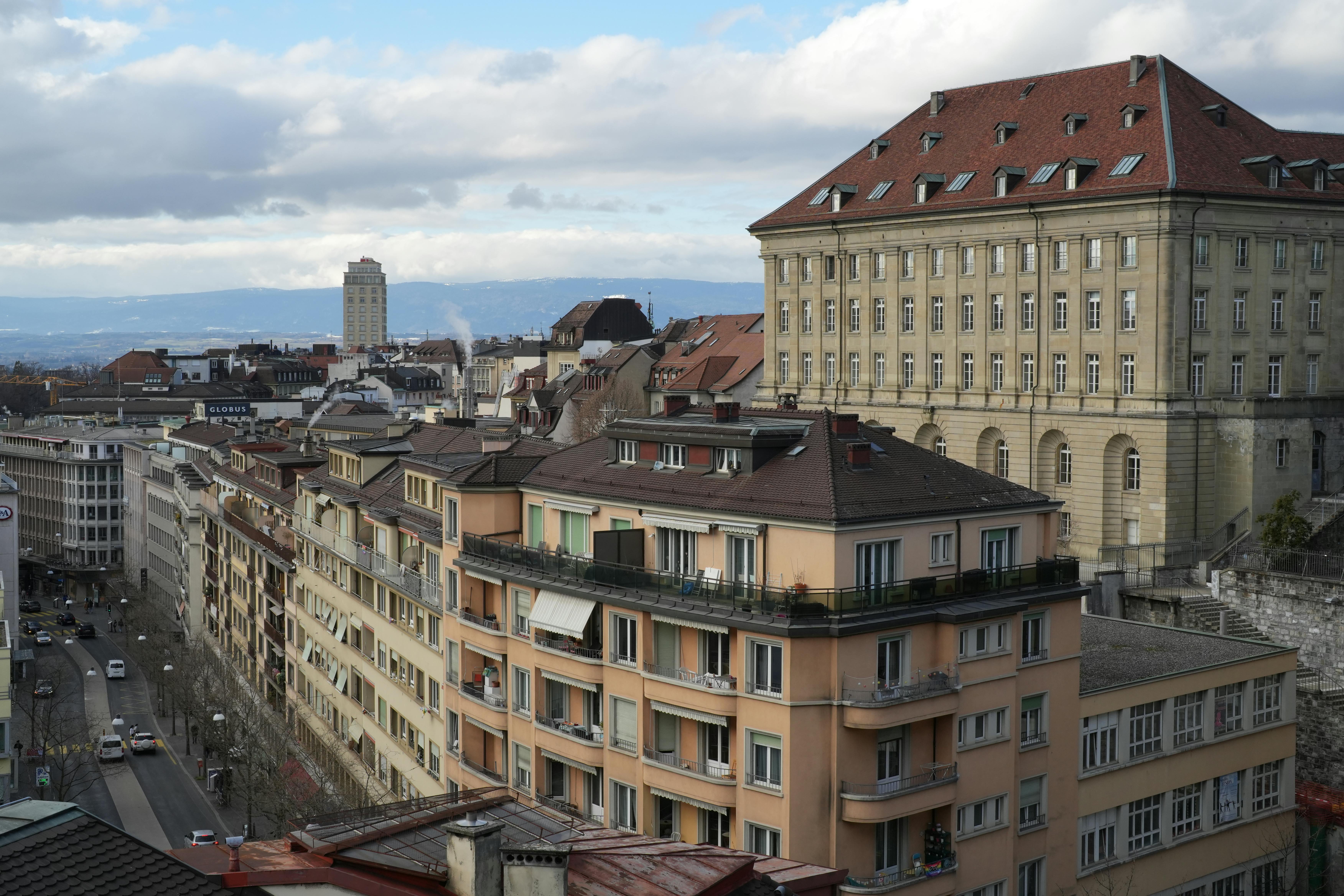 Lausanne
Image by:Hugo Sykes
Lausanne
Image by:Hugo Sykes
 Ado-Ekiti
Image by:Ayobami Adepoju
Ado-Ekiti
Image by:Ayobami Adepoju
Lausanne's high cost of living is matched by high salaries, reflecting its position within Switzerland's affluent economy. Basic groceries and public transport are significantly more expensive than in Ado-Ekiti, illustrating the broader disparity in essential expenses for 2026. This city's property market demands substantial capital, with housing outside the center commanding high prices and corresponding mortgage requirements. Conversely, Ado-Ekiti presents a much lower overall cost structure. While salaries are considerably lower, the fundamental cost of living, including food and transport, is substantially cheaper than in Lausanne. Although property prices are significantly lower than in Switzerland, reflecting the city's earlier development stage, the gap is less vast than the difference in basic living expenses.
The gap in housing costs between Lausanne and Ado-Ekiti is pronounced, directly linked to their differing economic strengths. Lausanne's high property values, particularly outside the city center, are a direct consequence of its robust economy and high demand. Ado-Ekiti's lower property prices offer more accessible options, but this is fundamentally tied to its developing Nigerian economy and lower overall valuation compared to established Western European centers.
Lausanne generally provides a superior quality of life, driven by its excellent public services, notably its high-performing healthcare system and lower crime rates. Environmental factors, including air quality and extensive green spaces, also contribute positively. Ado-Ekiti's quality of life metrics are considerably lower, suggesting potential shortcomings in public safety, healthcare access and standards, and environmental conditions compared to Swiss benchmarks. While specific data on crime or healthcare access isn't provided, the lower indices point towards environments potentially less conducive to the lifestyle standards associated with developed nations.
Economically, Lausanne operates within Switzerland's stable and diverse financial and technological sectors, offering secure employment and clear pathways for career advancement. Its high GDP per capita underpins this stability. Ado-Ekiti, while showing economic growth, functions within a developing Nigerian framework. Job security and career progression may be less certain, and although salaries are lower, the purchasing power and international career prospects pale in comparison to those offered by Lausanne's established economy.
Ultimately, Lausanne and Ado-Ekiti represent contrasting environments shaped by vastly different economic realities. Lausanne delivers a high standard of living, strong economic prospects, and excellent quality of life, but at a very high financial cost. Ado-Ekiti offers a significantly lower cost of living and more affordable housing, but operates within a developing context where the quality of life index is substantially lower, presenting different challenges for residents and investors.
 Lausanne
 Ado-Ekiti
Local cuisine & dishes
Lausanne
Ado-Ekiti
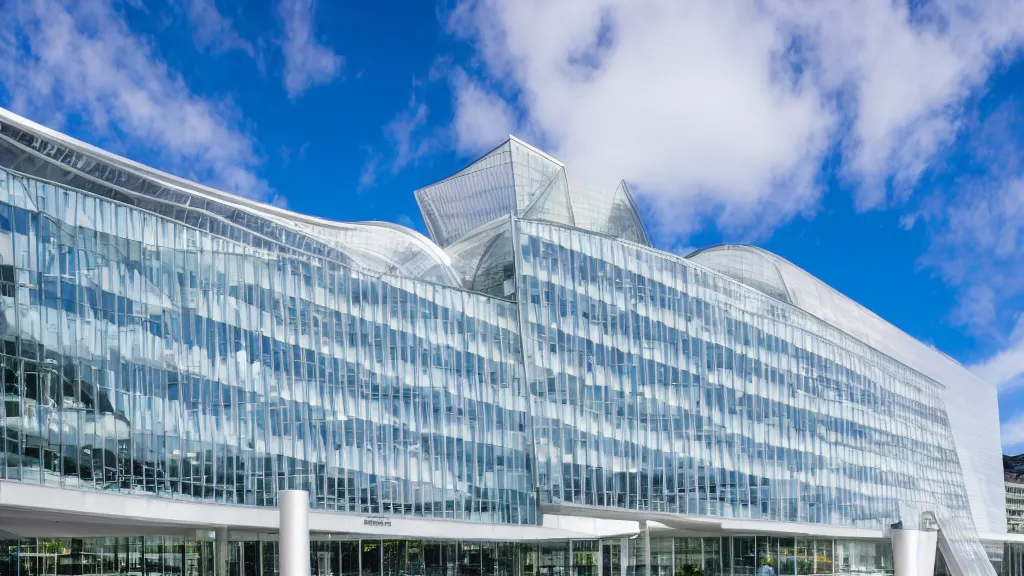 Lausanne
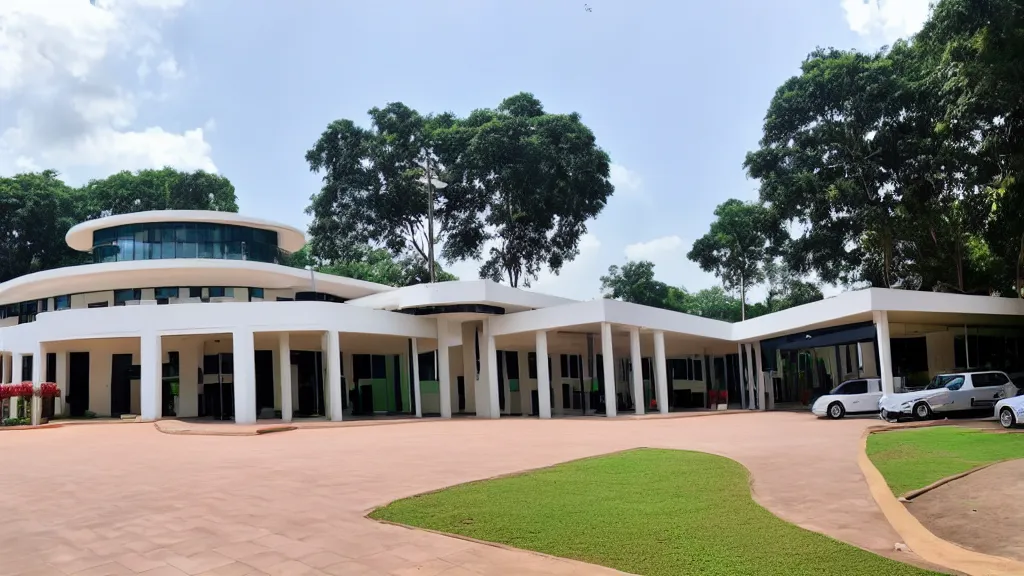 Ado-Ekiti
Travel & attractions
Lausanne
Ado-Ekiti
Real estate & living comparison
| Lausanne | Ado-Ekiti | |
|---|---|---|
| International Primary School, Annual Tuition per Child | 39942.45 USD | 1500 USD |
| Private Full-Day Preschool or Kindergarten, Monthly Fee per Child | 3024.44 USD | 670.17 USD |
| Jeans (Levi's 501 or Similar) | 117.65 USD | 10 USD |
| Men's Leather Business Shoes | 212.82 USD | 30 USD |
| Apples (1 kg) | 3.69 USD | 1.9 USD |
| Bananas (1 kg) | 2.09 USD | 1.83 USD |
| 1 Bedroom Apartment Outside of City Centre | 1815.93 USD | 180.48 USD |
| 3 Bedroom Apartment Outside of City Centre | 3318.02 USD | 642.96 USD |
| Bottled Water (0.33 Liter) | 4.73 USD | 0.17 USD |
| Cappuccino (Regular Size) | 6.27 USD | 2 USD |
| Annual Mortgage Interest Rate (20-Year Fixed, in %) | 1.86 USD | 18.07 USD |
| GDP Growth Rate: | 0.72 USD | 2.86 USD |
| Cinema Ticket (International Release) | 25.66 USD | 6.22 USD |
| Monthly Fitness Club Membership | 75.57 USD | 8 USD |
| Gasoline (1 Liter) | 2.27 USD | 0.62 USD |
| Monthly Public Transport Pass (Regular Price) | 100.07 USD | 65.65 USD |
| Basic Utilities for 85 m2 Apartment (Electricity, Heating, Cooling, Water, Garbage) | 291.65 USD | 113.97 USD |
| Broadband Internet (Unlimited Data, 60 Mbps or Higher) | 56.05 USD | 41.02 USD |
| Population | 141,418 | 446,749 |
Last updated: 2026-04-05T15:45:26+00:00
Comments for this comparison