Overview
Cost of Living Index34.6 / 74 Rio de Janeiro Dallas
h2
Rio de Janeiro, situated in Brazil, boasts a significantly larger population of approximately 12.6 million inhabitants, reflecting its status as a major Latin American metropolis. In contrast, Dallas, located in the United States, has a population of around 5.8 million. While Dallas provides extensive data points covering cost of living, quality of life, and real estate metrics, Rio's available information is considerably more limited, primarily focusing on population size and lacking detailed indices for quality or cost. This disparity in data availability makes a comprehensive, side-by-side comparison challenging, particularly regarding aspects like safety, healthcare access, or environmental conditions in Rio. Dallas presents a much more detailed picture, allowing for a thorough analysis across multiple dimensions.
Economic/Housing
Health Care Index46.4 / 66.5 Pollution Index67.6 / 41.5 Rio de Janeiro Dallas
h2
Dallas demonstrates a robust and developed economy, evidenced by its high GDP per capita of $74,600 and a GDP growth rate of 2.89%, indicating strong economic health and prospects. The city also shows a modest population growth rate of 0.67%. Regarding housing, Dallas offers significantly more detailed real estate data than Rio de Janeiro. The average net monthly salary in Dallas is $4,471 USD. The property market is characterized by a relatively low property price-to-income ratio of 6.62, suggesting housing is more affordable relative to earnings compared to many global cities. Specific areas like Garland, Texas, show property prices significantly below the national index, while others like Shreveport, Louisiana, show higher values. Conversely, Rio de Janeiro lacks comparable GDP figures or detailed economic indicators beyond its population count, making direct economic comparison difficult. The absence of specific housing cost data for Rio prevents any meaningful analysis of its property market relative to Dallas.
Quality of Life
Property Price to Income Ratio20.3 / 6.6 Purchasing Power Index41 / 152.4 Rio de Janeiro Dallas
h2
Dallas provides a comprehensive set of indices to evaluate quality of life, revealing a generally favorable, albeit not exceptional, scorecard. The Quality of Life Index itself stands at 179.72, placing it in the 'excellent' category globally according to the standard interpretation (typically above 170). Dallas also scores well on the Purchasing Power Index (152.36), indicating a comfortable standard of living. Safety is rated 48.44 (good), healthcare access is rated 66.52 (moderate), and the climate index is 81.85 (excellent). The cost of living index is relatively low at 74.02, suggesting expenses are manageable compared to global averages. Traffic commute times are rated 35.34 (moderate), and pollution is rated 41.47 (low). Rio de Janeiro, however, lacks any quality of life data, leaving a critical gap in understanding the daily living conditions, safety, healthcare access, environmental factors, and overall well-being experienced by its residents compared to Dallas residents.
Investment/Career
Quality of Life Index82.3 / 179.7 Rio de Janeiro Dallas
h2
Dallas presents a compelling case for investment and career opportunities, driven by its strong economy and diverse job market. The average net salary of $4,471 USD, combined with a relatively low mortgage interest rate of 6.58%, suggests reasonable affordability for housing should one choose to purchase property, although specific property prices in Dallas are not directly comparable to Rio's missing data. The city's GDP growth rate signals potential for future economic expansion and job creation. Rio de Janeiro, lacking economic indicators like GDP per capita, annual growth rate, or unemployment data, does not provide the necessary information to assess its investment potential or career prospects systematically. Without these key metrics, it is impossible to evaluate whether Rio offers comparable economic opportunities or a favorable environment for professional growth relative to Dallas.
Final Verdict
Traffic Commute Time Index51.2 / 35.3 Rio de Janeiro Dallas
h2
Dallas emerges as the clear leader in terms of data availability and quality metrics, presenting a well-rounded profile for potential residents, investors, and businesses. Its strong economic indicators, detailed real estate market data, and comprehensive quality of life indices paint a picture of a developed, stable, and generally favorable place to live and work, despite some moderate ratings in areas like commute times and pollution. Dallas offers a comfortable cost of living relative to its purchasing power and presents viable investment opportunities with reasonable property affordability. Rio de Janeiro, while significantly larger in population, suffers from a severe lack of detailed data. Without concrete figures on cost, quality, or economic performance, a definitive comparison is impossible. Rio's attractiveness hinges on unquantifiable factors, making it difficult to objectively assess its standing against Dallas based purely on the provided information.






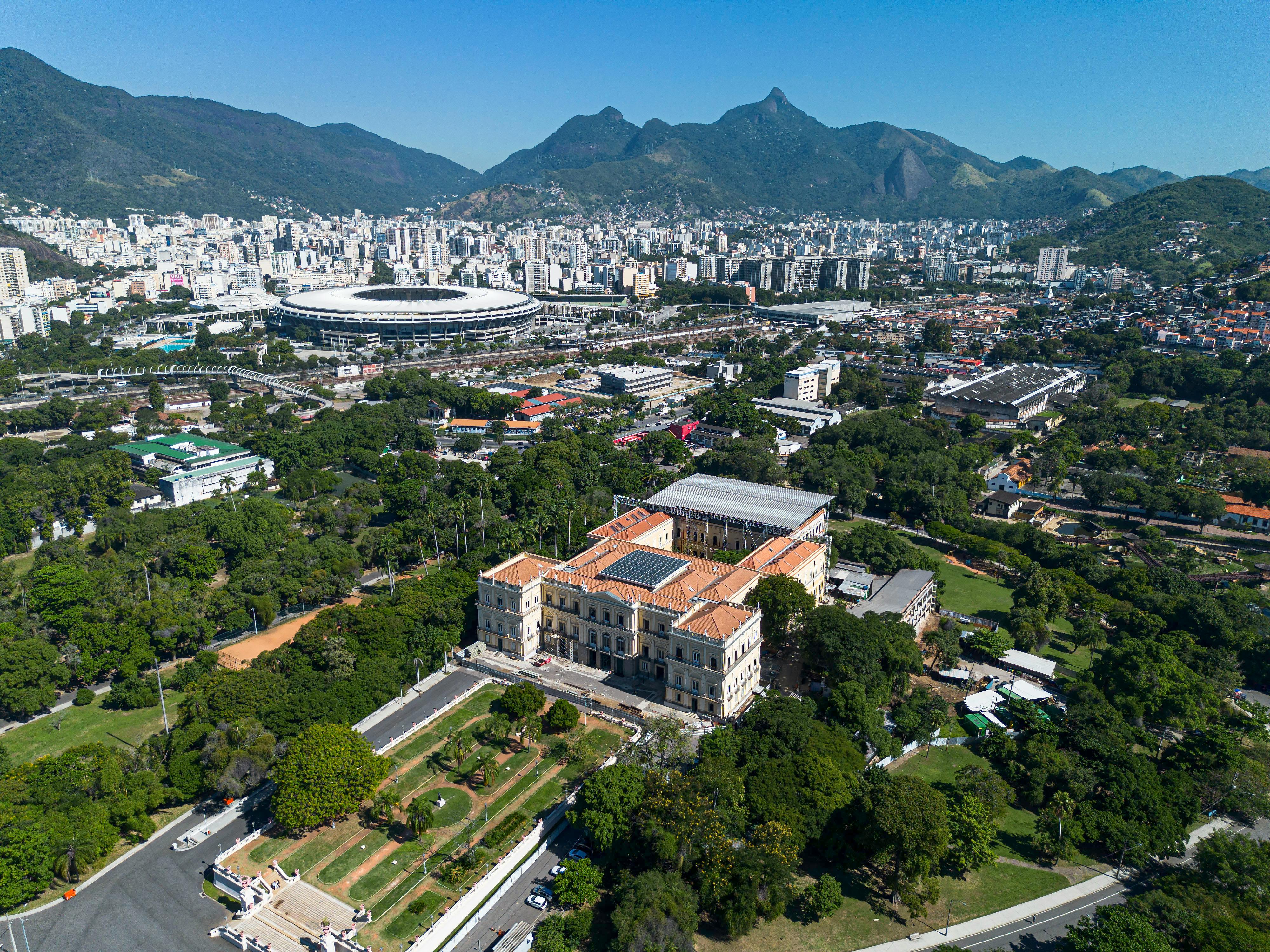 Rio de Janeiro
Image by:Americo Vermelho
Rio de Janeiro
Image by:Americo Vermelho
 Dallas
Image by:Danny Meneses
Dallas
Image by:Danny Meneses
Comments for this comparison