
Amasya vs. Surakarta: Detailed 2026 Cost of Living & Quality Comparison
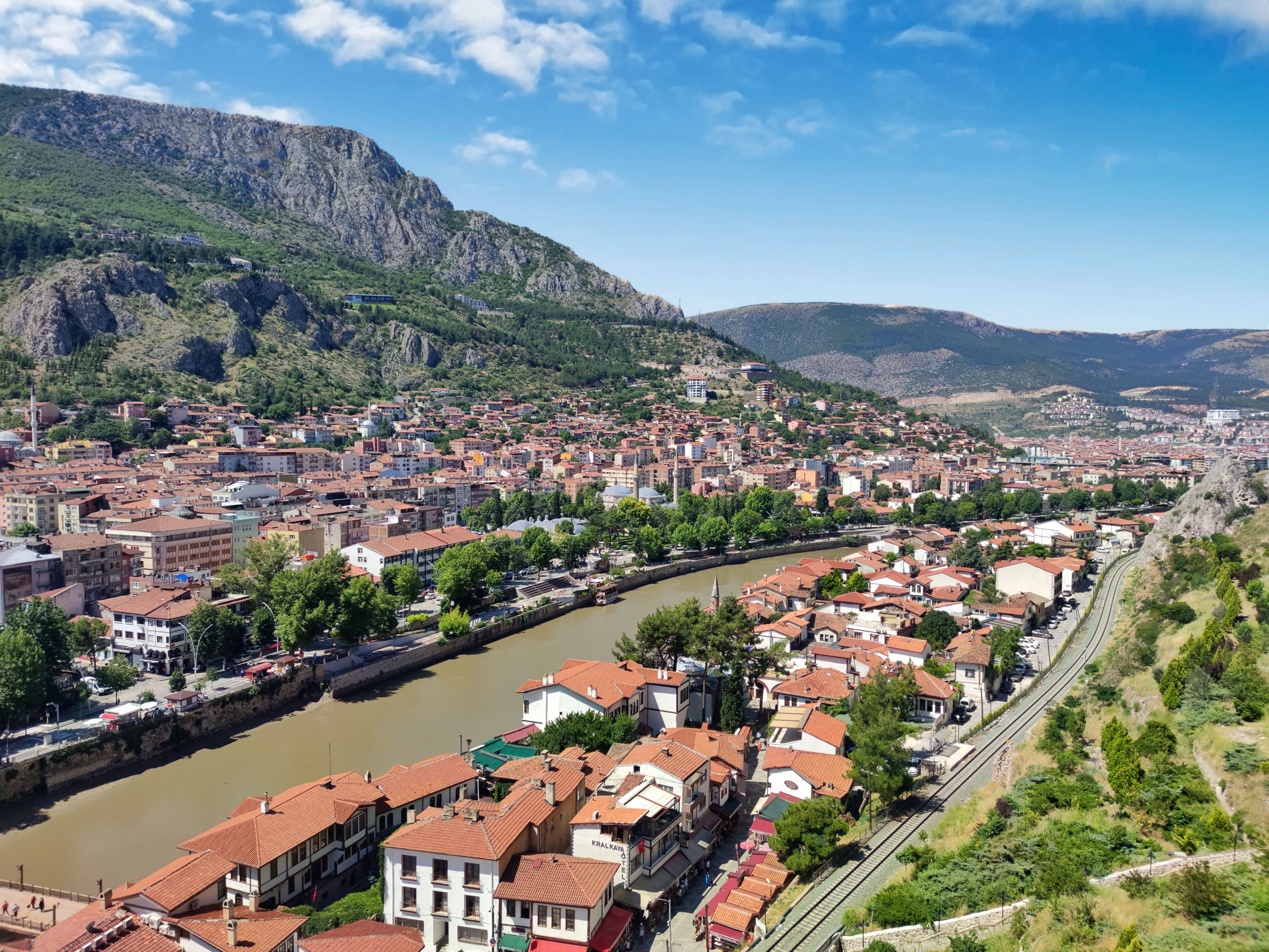 Amasya
Image by:Ali Düzdemir
Amasya
Image by:Ali Düzdemir
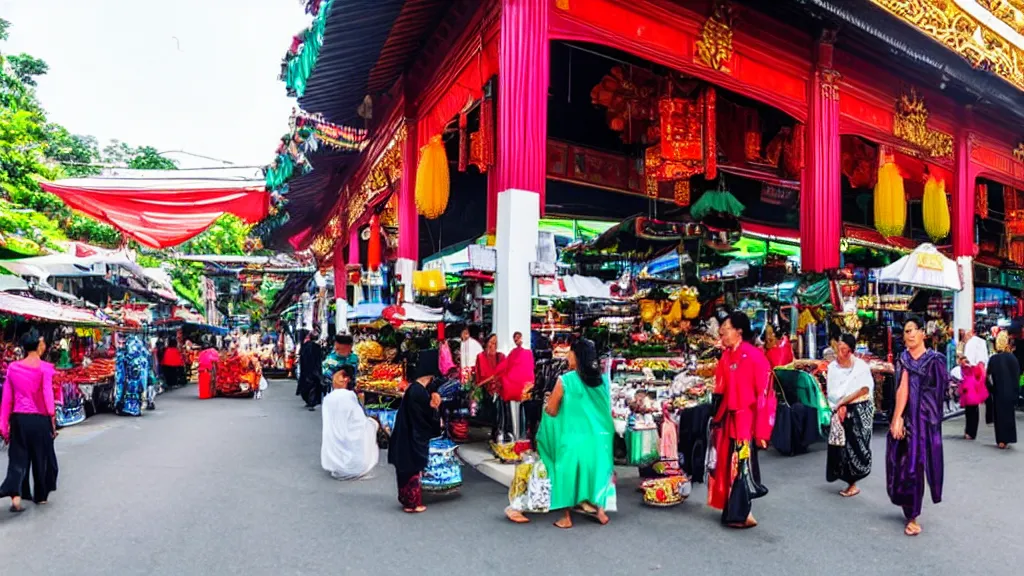
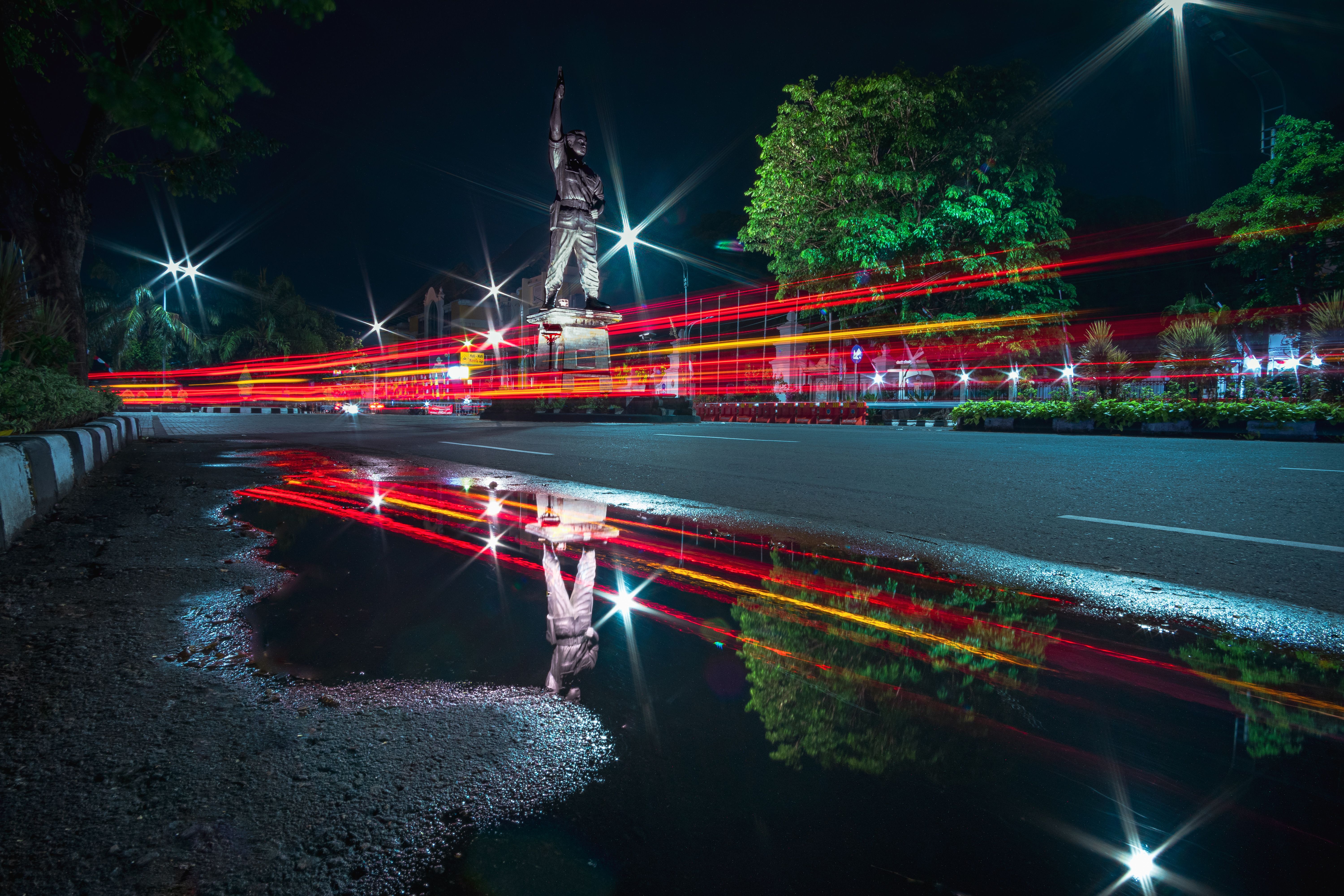 Surakarta
Image by:Unggul Budi
Surakarta
Image by:Unggul Budi
Amasya's higher national income level, reflected in its $34,600 GDP per capita versus Surakarta's $13,900, and a correspondingly higher average net salary ($568.57 USD monthly compared to $177.83 USD), might initially suggest a more prosperous environment. However, this advantage comes at a steep cost, particularly concerning housing. Amasya's property prices are significantly higher than those in Surakarta, creating a substantial gap in affordability. While rent for a central 1-bedroom apartment in Surakarta is remarkably low, around $144 USD per month, the implied costs in Amasya are considerably higher, making the Turkish city less accessible for many residents despite the higher national income.
The quality of life comparison reveals a complex picture where Surakarta often edges ahead. While Amasya benefits from Turkey's higher national GDP, potentially offering better access to national healthcare systems, Surakarta demonstrates clear strengths in environmental and daily living factors. It boasts a significantly lower crime index, ensuring greater safety, and has a much lower pollution level. Furthermore, Surakarta's average commute is notably shorter, contributing to daily convenience. Although healthcare access in Amasya might be slightly better nationally, the demonstrable advantages in safety, environment, and daily routine in Surakarta are compelling factors for quality of life.
Safety and environmental conditions favor Surakarta, but the healthcare comparison remains somewhat ambiguous. Surakarta leads decisively in safety, with a much lower crime index than the unspecified (but likely higher) figures for Amasya. Pollution levels are also substantially lower in Surakarta. Regarding healthcare, the data doesn't provide direct indices for Amasya, but its higher GDP per capita might correlate with better access to national healthcare services. Surakarta's strengths lie more in tangible environmental quality and daily safety rather than healthcare metrics, presenting a different kind of quality-of-life advantage.
Both cities exhibit similar moderate economic growth rates for 2026 (5.0% in Turkey, 5.05% in Indonesia), but Surakarta's role as a major regional hub within Indonesia likely offers distinct advantages for career prospects. Its central position and status as the capital of Central Java probably provide more diverse job opportunities and potentially faster career progression for certain fields compared to the smaller, less central Amasya. This regional dynamism, combined with the lower cost of living, makes Surakarta a potentially more attractive place for professional growth, even with its lower average salary.
Ultimately, the choice between Amasya and Surakarta hinges on conflicting priorities. Amasya presents a profile of higher national income and potentially superior national healthcare access, but confronts residents with significantly higher living costs, particularly for housing, and potentially less favorable quality-of-life factors like safety and environmental conditions. Surakarta, conversely, offers a substantially lower cost of living, especially for housing, alongside demonstrably better safety, lower pollution, and shorter commutes. While its national GDP figures are lower, Surakarta provides a compelling alternative focused on affordability and quality of life, balancing cost against well-being.
 Amasya
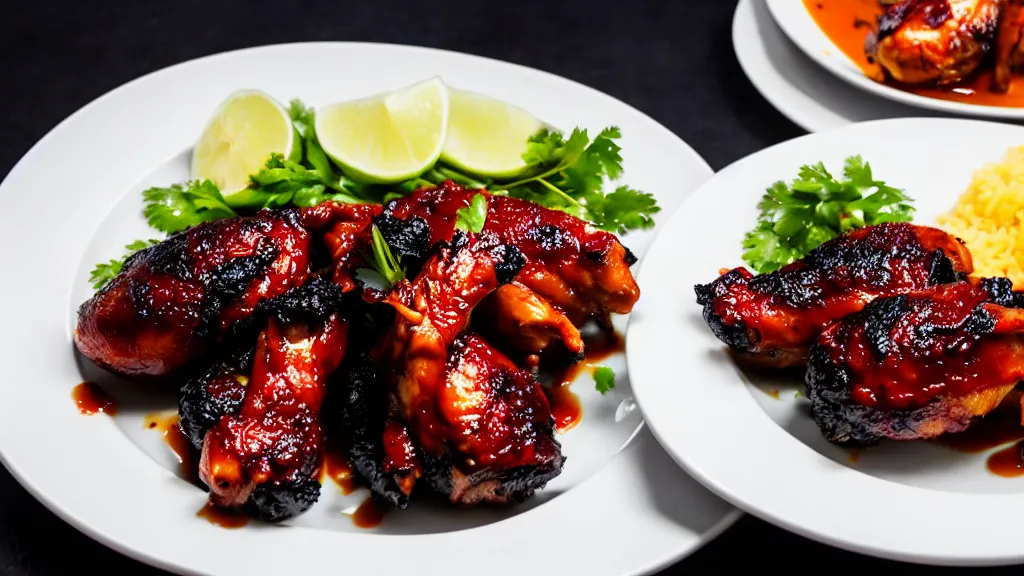 Surakarta
Local cuisine & dishes
Amasya
Surakarta
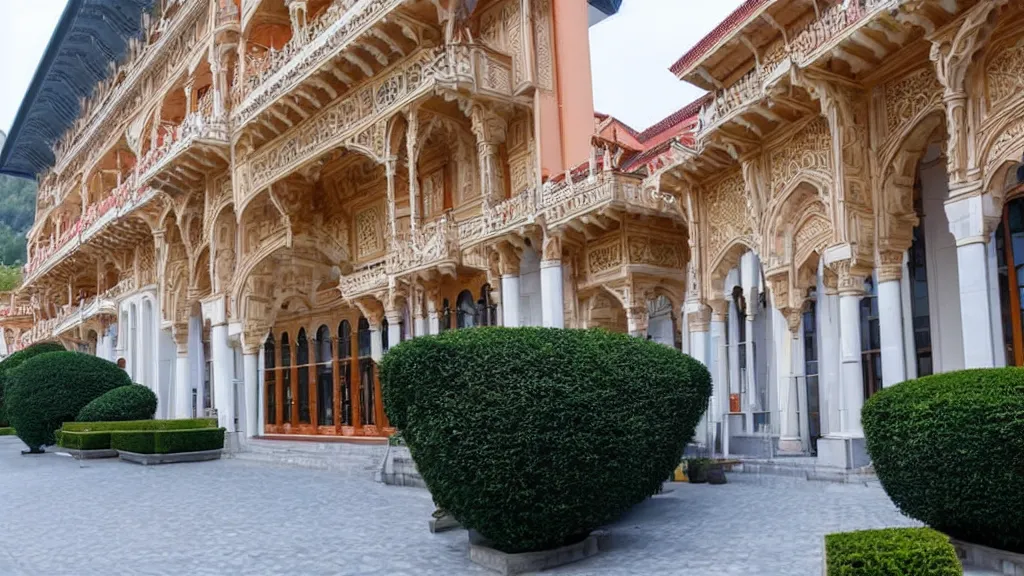 Amasya
 Surakarta
Travel & attractions
Amasya
Surakarta
Real estate & living comparison
| Amasya | Surakarta | |
|---|---|---|
| International Primary School, Annual Tuition per Child | 16351.39 USD | 1991.66 USD |
| Private Full-Day Preschool or Kindergarten, Monthly Fee per Child | 671.27 USD | 35.76 USD |
| Jeans (Levi's 501 or Similar) | 54.84 USD | 61.56 USD |
| Men's Leather Business Shoes | 97.01 USD | 69.53 USD |
| Apples (1 kg) | 1.92 USD | 2.47 USD |
| Bananas (1 kg) | 2.31 USD | 1.46 USD |
| Bottled Water (0.33 Liter) | 0.45 USD | 0.24 USD |
| Cappuccino (Regular Size) | 3.67 USD | 1.59 USD |
| Annual Mortgage Interest Rate (20-Year Fixed, in %) | 46.86 USD | 7.5 USD |
| Average Monthly Net Salary (After Tax) | 568.57 USD | 177.83 USD |
| Cinema Ticket (International Release) | 6.82 USD | 2.07 USD |
| Gasoline (1 Liter) | 1.25 USD | 0.76 USD |
| One-Way Ticket (Local Transport) | 0.45 USD | 0.41 USD |
| Basic Utilities for 85 m2 Apartment (Electricity, Heating, Cooling, Water, Garbage) | 75.22 USD | 83.73 USD |
| Broadband Internet (Unlimited Data, 60 Mbps or Higher) | 14.86 USD | 19.15 USD |
| Population | 114,921 | 552,118 |
Last updated: 2026-04-05T11:39:46+00:00
Comments for this comparison