
Izmir vs. Asaba: Detailed 2026 Cost of Living & Quality Comparison
 Izmir
Image by:Doğukan Koçan
Izmir
Image by:Doğukan Koçan
 Asaba
Image by:Taiwo Samson,,
Asaba
Image by:Taiwo Samson,,
Izmir, Turkey's major Mediterranean port city with a population exceeding 3 million, presents a vastly different economic and living environment compared to Asaba, Nigeria's key economic hub with a population of around half a million. In 2026, Izmir operates within the framework of a developed nation, evidenced by its robust GDP figures ($34,600 per capita) and strong growth rate (5.11%). This economic strength translates into higher income levels, reflected in an average net monthly salary of $1123.49, although specific housing costs for Asaba remain unknown, likely indicating lower average earnings given its much lower GDP per capita ($5,600). Consequently, the cost structure for living in Izmir is significantly higher than what can be inferred for Asaba.
The disparity in economic strength directly impacts the housing market. Izmir's real estate is characterized by premium pricing, with apartment costs in the city center reaching nearly $1,552 per square meter, almost double the rate found outside the center. This high cost extends to rental prices, where a central 1-bedroom apartment rents for $655 monthly. Asaba lacks specific housing data, making direct comparison difficult, but its smaller GDP per capita suggests potentially more affordable property values, despite the data gaps.
Assessing quality of life reveals further stark contrasts. Izmir boasts strong performance across key metrics, scoring highly on the overall Quality of Life Index (156.34) and specific indices for safety (66.62) and healthcare (73.32). Its climate is also rated very favorably (96.88). However, this desirable environment comes with a high Cost of Living Index (41.94) and a challenging Property Price to Income Ratio (5.81), indicating substantial financial pressure for many residents. Asaba provides minimal quality of life data, lacking comprehensive indices or detailed safety, health, or climate scores. While Izmir's figures suggest a developed urban environment, Asaba's data paucity prevents a full assessment, leaving its living standards and infrastructure development contextually ambiguous.
From an investment and career standpoint, Izmir appears far more established and promising. Its superior GDP growth, population expansion, and developed infrastructure point towards a dynamic economy offering diverse opportunities. The lower mortgage interest rate (41.14%) adds a layer of feasibility to property investment, though the high prices remain a barrier. Izmir's strong quality of life metrics further enhance its long-term appeal. Asaba, while showing moderate growth, suffers from a lack of detailed economic and quality data, making its investment potential and job market robustness harder to gauge. The lower GDP per capita suggests fewer high-income opportunities, and the data limitations hint at less developed urban infrastructure compared to Izmir.
In conclusion, Izmir stands out as a significantly more developed and economically robust city, offering superior quality of life metrics despite a high cost of living. Asaba, while a major Nigerian city, lacks the comprehensive data and established quality metrics of Izmir, making a direct comparison challenging. Izmir clearly leads in economic strength and measured living standards, while Asaba presents a less understood scenario, likely involving lower costs but significant data gaps regarding infrastructure and investment potential. The choice between them hinges on individual priorities, budget, and career ambitions, with Izmir suited for those prioritizing established systems and a proven quality of life, and Asaba representing a less defined, potentially more affordable, but riskier option.
 Izmir
Izmir Asaba
AsabaLocal cuisine & dishes
Izmir
Asaba
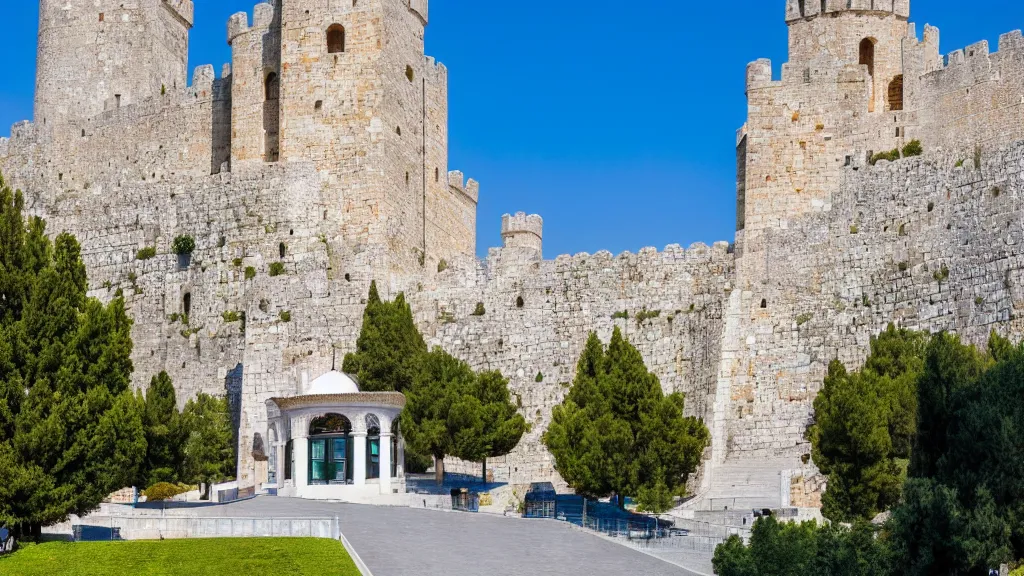 Izmir
Izmir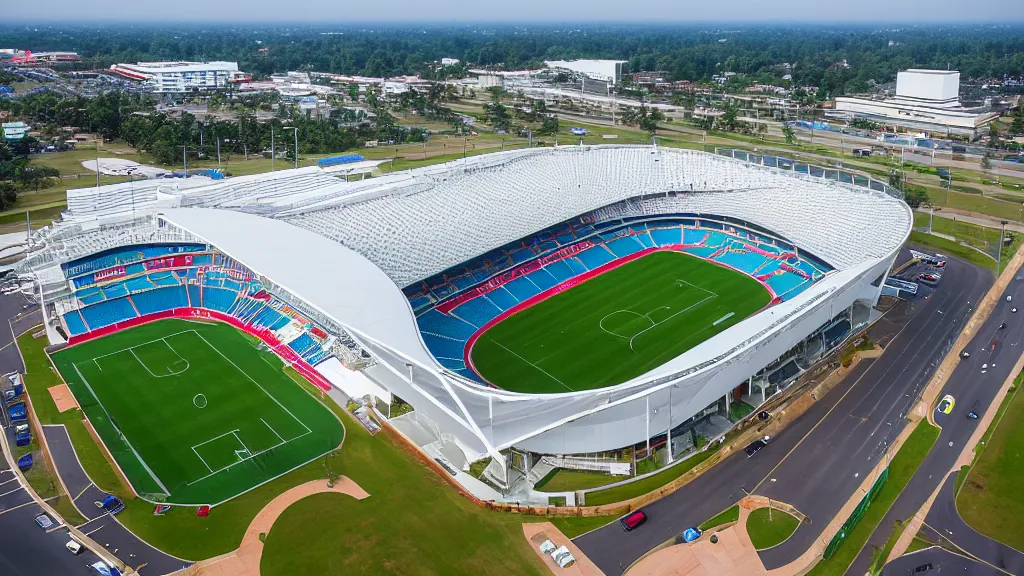 Asaba
AsabaTravel & attractions
Izmir
Asaba
Real estate & living comparison
| Izmir | Asaba | |
|---|---|---|
| International Primary School, Annual Tuition per Child | 13289.41 USD | 1105.45 USD |
| GDP Growth Rate: | 5.11 USD | 2.86 USD |
| GDP Per Capita ($) : | 34600 USD | 5600 USD |
| Population | 2,965,900 | 500,000 |
Last updated: 2026-04-05T11:23:25+00:00
Comments for this comparison