
Joao Pessoa vs. Asaba: Detailed 2026 Cost of Living & Quality Comparison
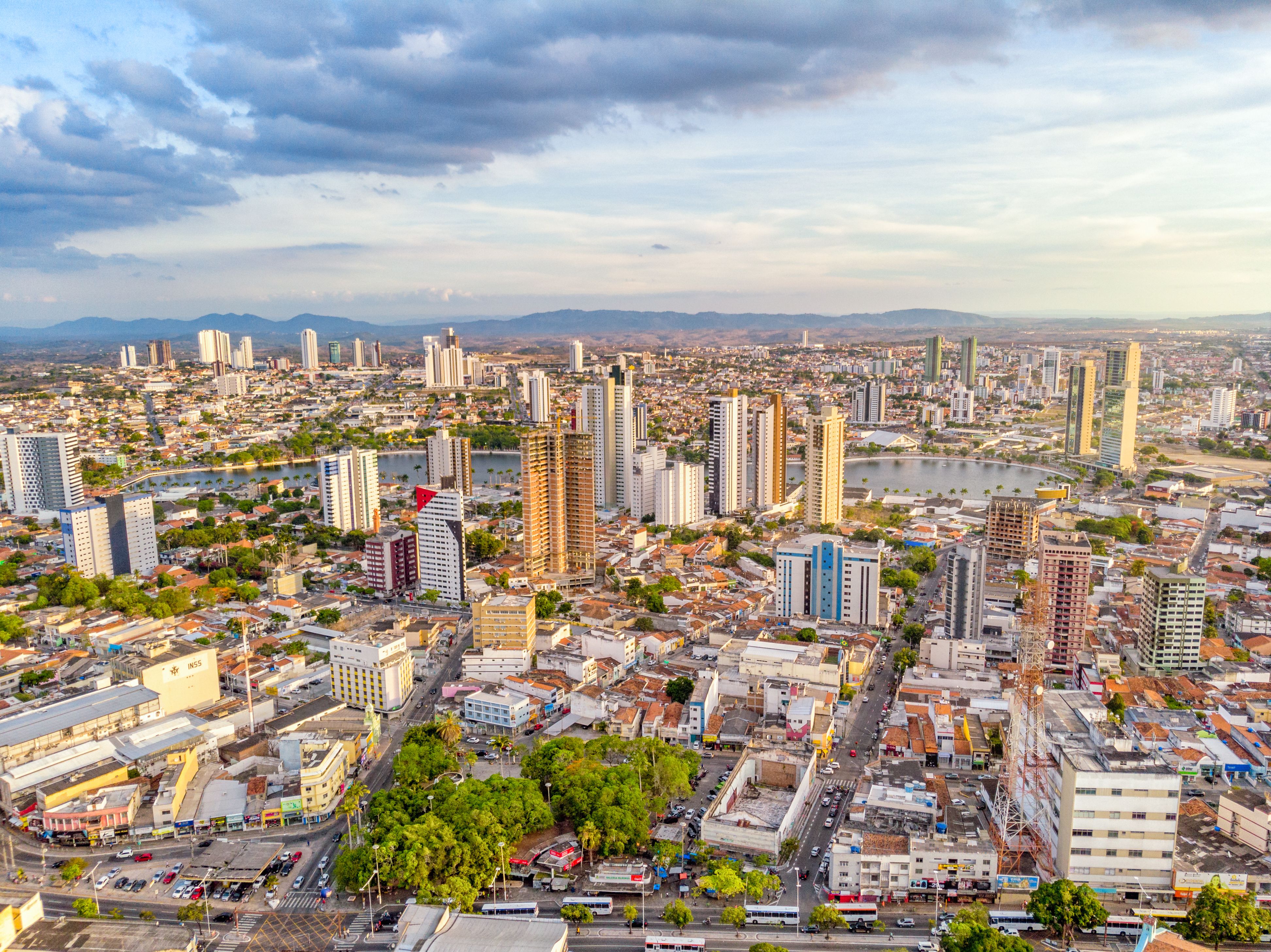 Joao Pessoa
Image by:Diego Pontes
Joao Pessoa
Image by:Diego Pontes
 Asaba
Image by:Taiwo Samson,,
Asaba
Image by:Taiwo Samson,,
Joao Pessoa, with a population exceeding 833,000 in 2026, presents a larger economic profile than Asaba, which has around 500,000 residents. Economically, Joao Pessoa shows greater establishedness, evidenced by its significantly higher GDP per capita of $19,000 compared to Asaba's $5,600. This disparity suggests Joao Pessoa likely offers more developed infrastructure and a broader range of economic activities. While Asaba benefits from Nigeria's growth with a GDP growth rate of 2.86%, Joao Pessoa's growth rate of 2.91% is only marginally higher, reflecting a slightly more stable, albeit smaller, economic base for Asaba.
Housing costs in Joao Pessoa are substantial, reflecting its economic weight. The average apartment price per square meter, whether in the city center ($2,290.57) or outside ($1,094.40), is considerably higher than implied by Asaba's lower GDP per capita. This high cost base, combined with an average monthly net salary of $491.17, creates a significant property price-to-income ratio, indicating potential financial pressure for homeownership. Asaba, while likely facing lower housing costs given its smaller GDP per capita, lacks specific data to quantify this advantage directly.
Quality of life appears markedly superior in Joao Pessoa, despite its higher cost of living. Key indices like safety and healthcare access are significantly better here, contrasting with Asaba, where comprehensive quality metrics are unavailable. Joao Pessoa's lower average commute time and relatively low pollution levels further enhance its appeal, suggesting a more comfortable urban environment. While Asaba might offer lower overall living expenses, the lack of data prevents a direct assessment of its quality of life, leaving Joao Pessoa as the benchmark for safety, health, and climate comfort.
For investors and career-focused individuals, Joao Pessoa offers potentially more stable conditions. Its lower population growth rate (0.61%) compared to Asaba's faster pace (2.52%) might indicate a more settled market. Additionally, the lower mortgage interest rate of 10.5% could favor property investment or borrowing for homeownership. The city's higher GDP per capita and larger population also suggest a potentially larger job market, though specific employment figures aren't provided. Asaba's higher growth rate signals opportunity, but its lower GDP per capita likely means fewer high-income jobs and less robust infrastructure, making it a less attractive option for those prioritizing established economic hubs.
Ultimately, Joao Pessoa emerges as the more developed choice, offering higher GDP, better quality-of-life metrics, and likely more job opportunities, albeit at a much higher cost for housing and transport. Asaba presents a developing alternative with potentially lower living expenses but significant trade-offs in terms of established infrastructure, safety, healthcare access, and overall quality of life. The decision hinges on individual priorities: Joao Pessoa for those valuing established systems and economic potential, accepting the premium cost; Asaba for those prioritizing lower expenses and embracing a rapidly changing environment with associated uncertainties.
 Joao Pessoa
 Asaba
AsabaLocal cuisine & dishes
Joao Pessoa
Asaba
 Joao Pessoa
 Asaba
AsabaTravel & attractions
Joao Pessoa
Asaba
Real estate & living comparison
| Joao Pessoa | Asaba | |
|---|---|---|
| International Primary School, Annual Tuition per Child | 6319.72 USD | 1105.45 USD |
| GDP Growth Rate: | 2.91 USD | 2.86 USD |
| GDP Per Capita ($) : | 19000 USD | 5600 USD |
| Population | 833,932 | 500,000 |
Last updated: 2026-04-05T04:50:07+00:00
Comments for this comparison