
Sakai vs. Yogyakarta: Detailed 2026 Cost of Living & Quality Comparison
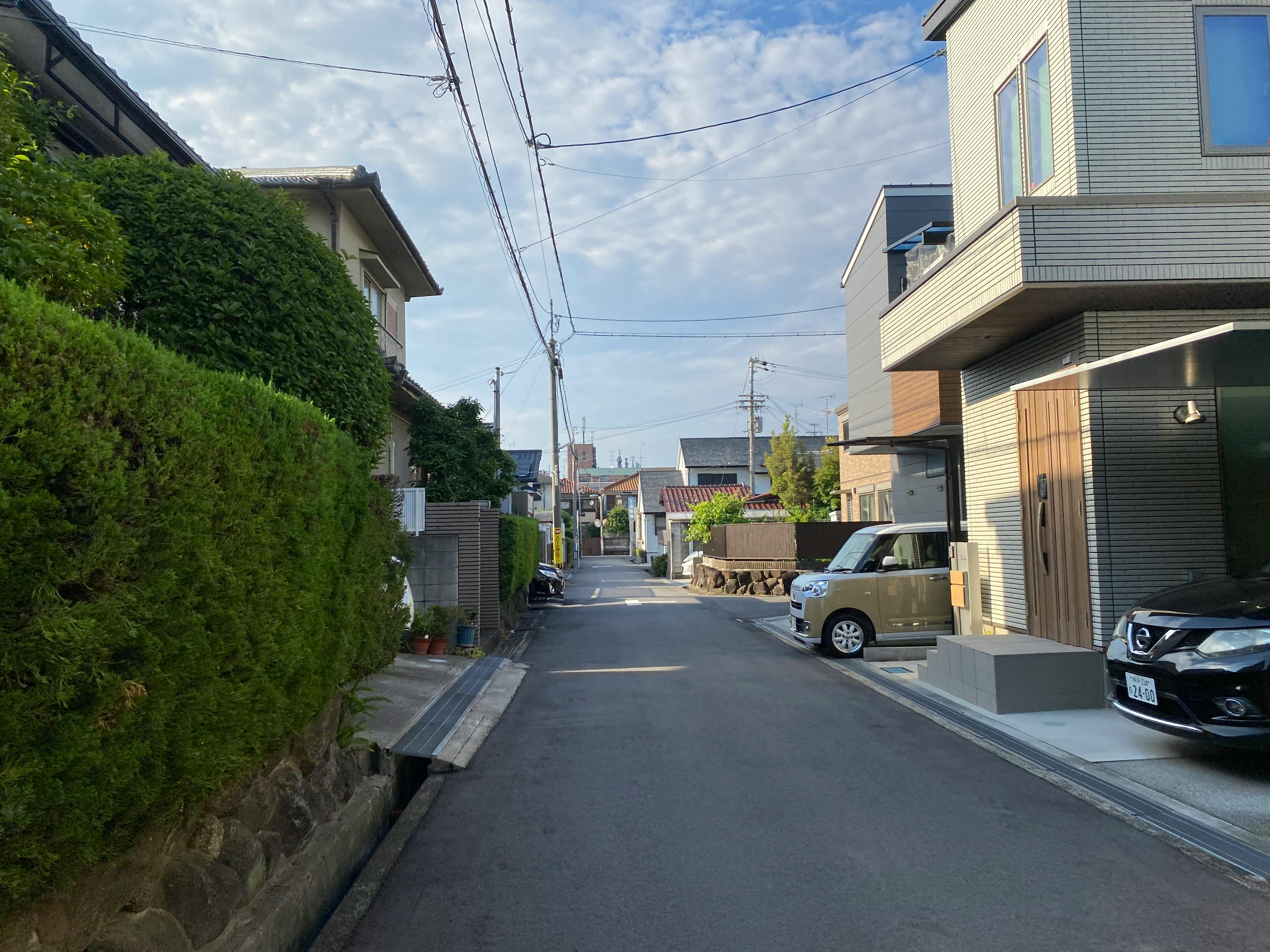 Sakai
Image by:kazuyoshi sakamoto
Sakai
Image by:kazuyoshi sakamoto
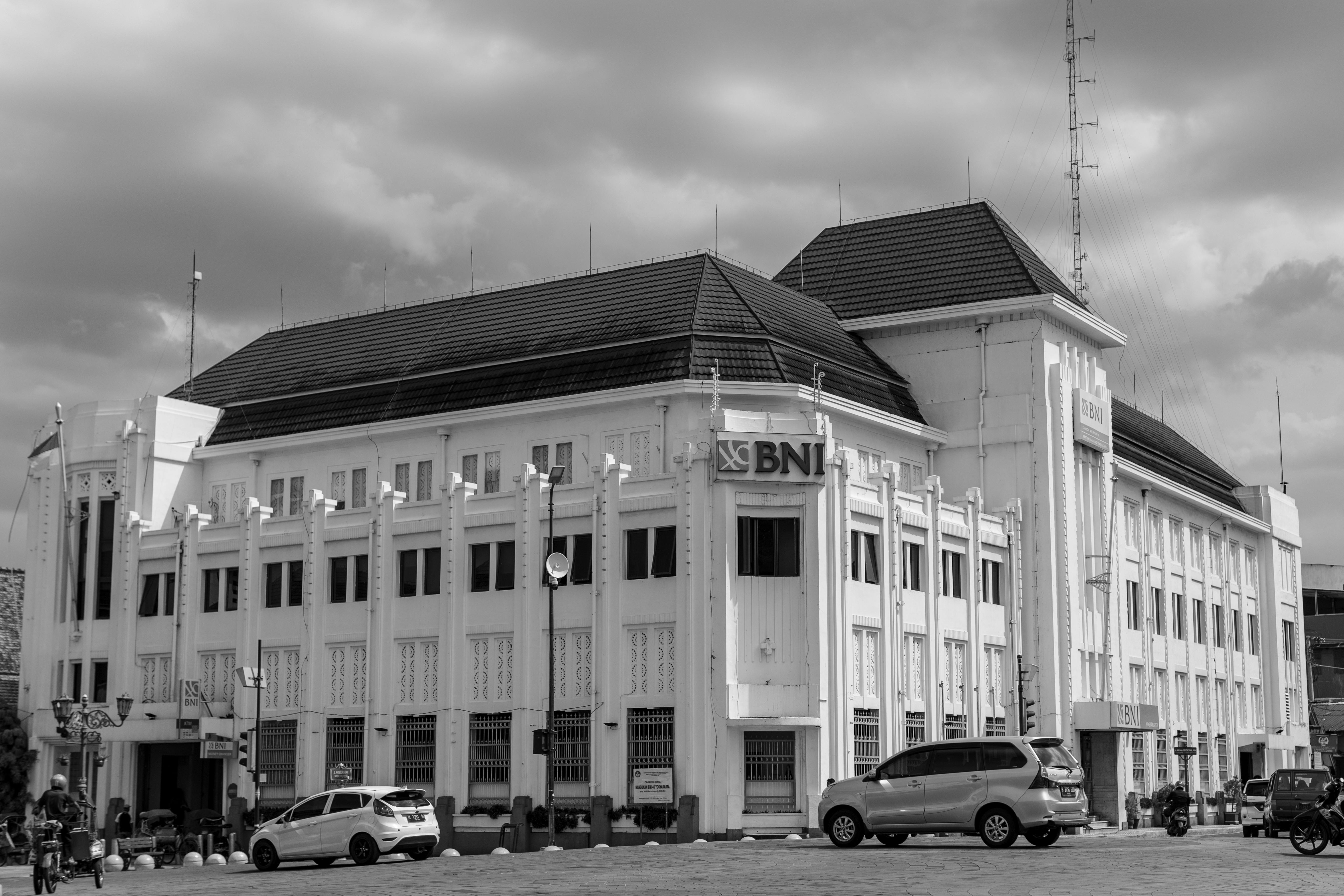 Yogyakarta
Image by:Baarast Project
Yogyakarta
Image by:Baarast Project
Sakai, Japan's port city with a population near 200,000, contrasts sharply with Yogyakarta, Indonesia's vibrant cultural and educational hub home to over a million people. This comparison for 2026 reveals fundamental differences, primarily concerning the cost of living and quality of life. Sakai generally exhibits higher costs across most categories, reflecting its position in a developed nation, while Yogyakarta offers significantly lower expenses, characteristic of a developing country. Quality of life indices, such as safety, healthcare, and environmental quality, are considerably higher in Sakai, whereas Yogyakarta shows lower scores in these areas, alongside a higher property-to-income ratio, indicating potentially less affordable housing despite lower absolute prices.
Yogyakarta presents a substantially lower cost of living overall. Basic food items, transportation, utilities, childcare, and housing (both rent and purchase) are cheaper in Yogyakarta when converted to USD. Conversely, Sakai has a high cost of living, particularly for housing and transportation. While salaries in Sakai are likely higher to match these costs, the data focuses on living expenses and property prices. Sakai's property prices, both for renting and buying, are high, reflecting its status in Japan. The annual mortgage interest rate in Japan is lower than in Indonesia, potentially offsetting some of the higher property costs over long periods, but the absolute prices remain substantial compared to Yogyakarta. Yogyakarta offers more affordable housing options, both for renting and buying, making it attractive for those prioritizing budget constraints.
Quality of life metrics show a clear advantage for Sakai. Sakai scores significantly higher across most indices, including safety, healthcare, culture, environment, and infrastructure. This aligns with expectations for a developed city like Sakai in Japan. Yogyakarta, while potentially offering a vibrant local culture and lower stress levels due to lower costs, scores considerably lower on these fronts. The data suggests lower perceived safety, potentially less developed healthcare infrastructure compared to Japan, and likely higher environmental challenges associated with developing nations. Furthermore, Yogyakarta has a notably high property-to-income ratio, indicating that housing costs, while lower in absolute terms, may still represent a significant burden relative to the average income, potentially impacting overall quality of life and financial security.
From an investment and career perspective, the data points towards different opportunities. Japan (represented by Sakai) generally offers a more stable and higher-growth economy, reflected in its GDP per capita and lower inflation (implied by lower interest rates). This environment typically supports better job security and potentially higher long-term career prospects, albeit with higher costs. Indonesia (Yogyakarta) shows a higher GDP growth rate, suggesting a dynamic economy with potentially faster development and opportunities for rapid career advancement, but often with higher risks and inflation. The higher interest rate in Indonesia reflects this potentially higher risk or inflation environment. The choice between these cities for investment or career would depend heavily on individual priorities regarding financial stability, growth potential, risk tolerance, and budget constraints.
In conclusion, Sakai and Yogyakarta present fundamentally different profiles. Sakai offers a high standard of living, strong quality of life indicators, and economic stability, but at a significantly higher cost for almost everything, including housing, transportation, and daily expenses. Yogyakarta provides a much lower cost of living, making it an attractive option for budget-conscious individuals or those reliant on external income, but it falls short on most quality of life metrics and offers a less stable economic environment compared to Japan. The decision between these two cities hinges primarily on the individual's financial capacity and their prioritization between cost savings/lower income and a higher quality of life/stability.
 Sakai
Sakai Yogyakarta
Local cuisine & dishes
Sakai
Yogyakarta
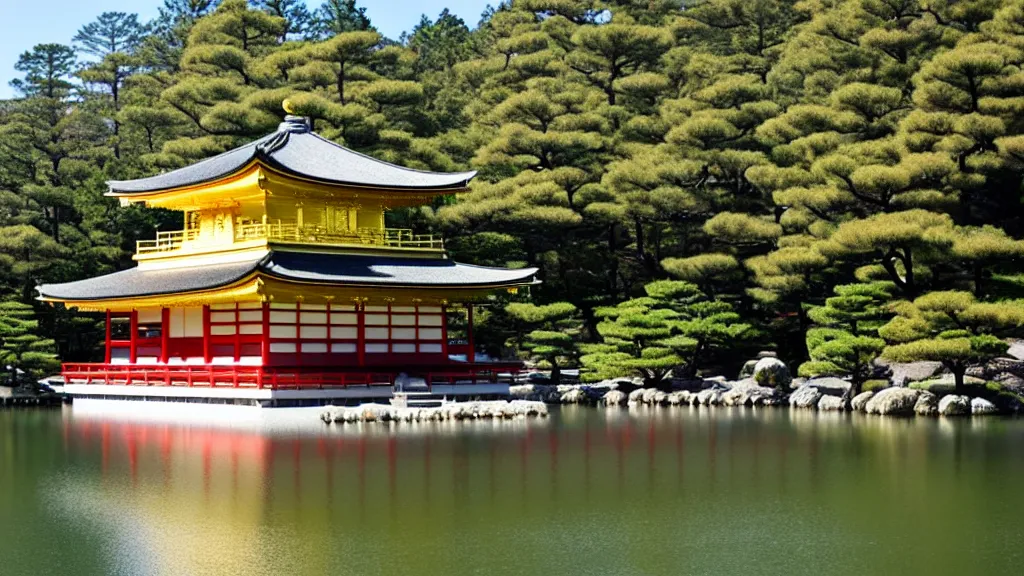 Sakai
Sakai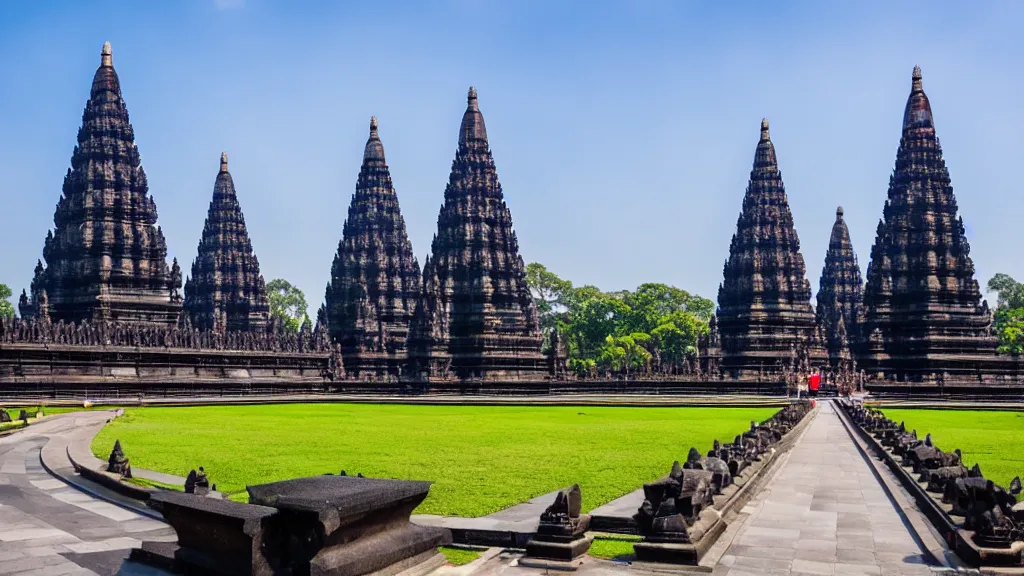 Yogyakarta
Travel & attractions
Sakai
Yogyakarta
Real estate & living comparison
| Sakai | Yogyakarta | |
|---|---|---|
| International Primary School, Annual Tuition per Child | 13144.63 USD | 3342.88 USD |
| Private Full-Day Preschool or Kindergarten, Monthly Fee per Child | 519.09 USD | 79.12 USD |
| Jeans (Levi's 501 or Similar) | 42.12 USD | 38.57 USD |
| Men's Leather Business Shoes | 90.42 USD | 73.19 USD |
| Apples (1 kg) | 3.3 USD | 2.47 USD |
| Bananas (1 kg) | 1.97 USD | 1.35 USD |
| Bottled Water (0.33 Liter) | 0.73 USD | 0.24 USD |
| Cappuccino (Regular Size) | 3 USD | 1.36 USD |
| Annual Mortgage Interest Rate (20-Year Fixed, in %) | 2.05 USD | 8.45 USD |
| Cinema Ticket (International Release) | 12.72 USD | 2.67 USD |
| Gasoline (1 Liter) | 1.11 USD | 0.73 USD |
| Taxi 1 Hour Waiting (Standard Tariff) | 21.63 USD | 4.75 USD |
| Basic Utilities for 85 m2 Apartment (Electricity, Heating, Cooling, Water, Garbage) | 131.35 USD | 74.18 USD |
| Broadband Internet (Unlimited Data, 60 Mbps or Higher) | 32.18 USD | 19.17 USD |
| Population | 824,408 | 422,732 |
Last updated: 2026-04-05T15:44:55+00:00
Comments for this comparison