
São Paulo vs. Pobé: Detailed 2026 Cost of Living & Quality Comparison
 Sao Paulo
Image by:Vinícius Pimenta
Sao Paulo
Image by:Vinícius Pimenta
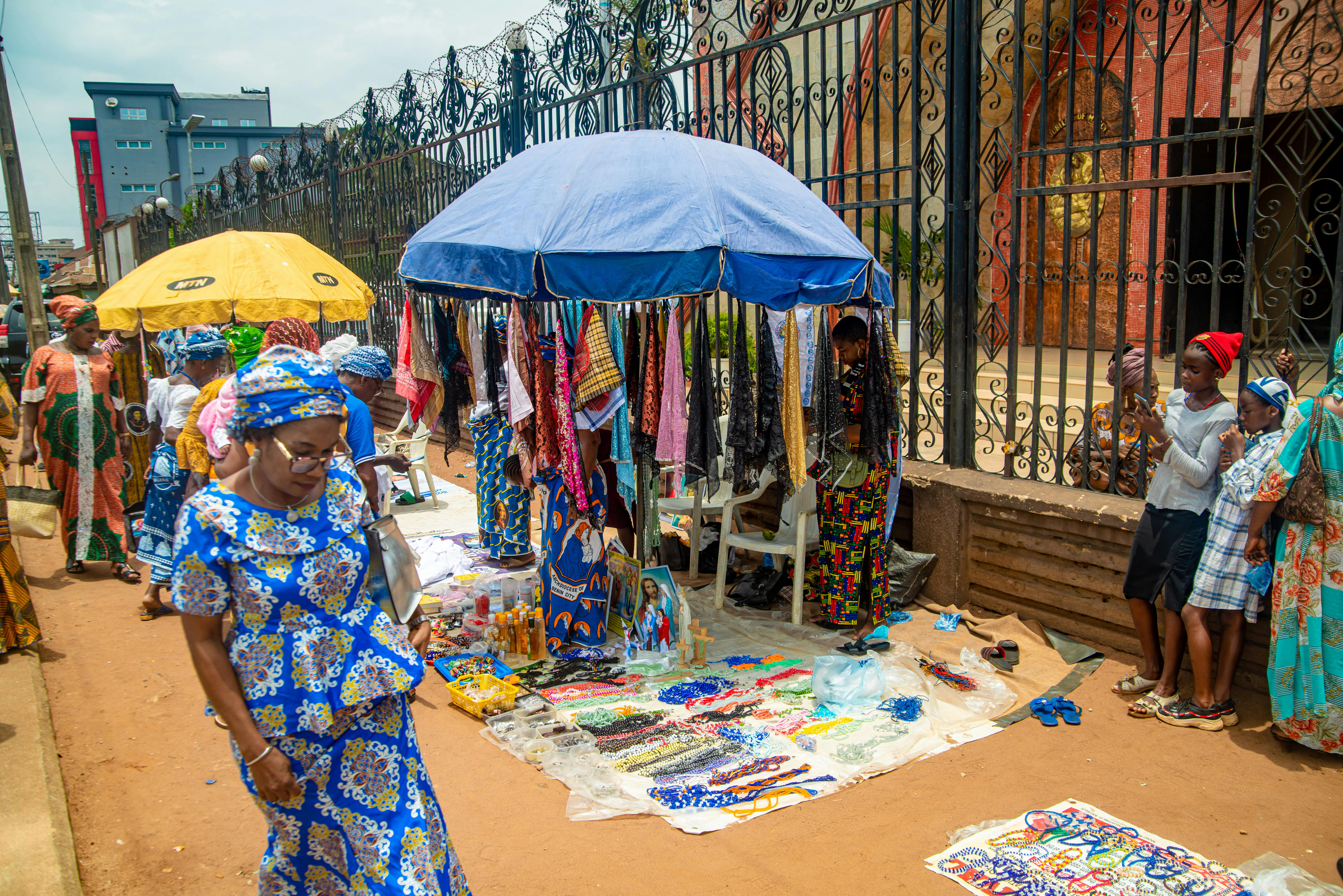 Pobe
Image by:David Iloba
Pobe
Image by:David Iloba
São Paulo operates as a massive economic engine, with a population exceeding 23 million and a GDP per capita of $19,000 in 2026, reflecting its significant global standing. This contrasts sharply with Pobé, a city of around 123,740 inhabitants in Benin, situated within a much lower-economy country. The economic disparity is immediately evident in living costs; while São Paulo offers a high average monthly net salary of $834.04, the specifics for Pobé are less defined, though its overall cost of living is undeniably lower than São Paulo's. Housing exemplifies this gap, with a central São Paulo 1-bedroom apartment renting for $670.24 per month and prices reaching $2,852.59 per square meter – figures starkly different from Pobé's property price indices, which indicate significantly more affordable options, even if absolute dollar values aren't provided directly.
The gap in housing costs is mirrored in financing terms. São Paulo's mortgage interest rate stands at 12.1% annually, a high rate that further complicates property ownership alongside the already substantial purchase prices. Shifting focus to quality of life, São Paulo presents a complex picture. Its climate and overall quality of life index score very highly (99.04 and 98.3 respectively), suggesting favourable environmental and general living conditions. However, this is heavily offset by a low safety index (30.23), moderate healthcare access (60.26), high pollution levels (79.21), and a long average commute time due to traffic (51.31). Pobé's quality metrics, while lacking direct comparison points, show variation but likely reflect a different baseline, with indices ranging from 55.49 to 173.78, suggesting potential regional differences but overall lower levels than São Paulo's high benchmarks.
From an investment and career standpoint, the two cities present divergent paths. São Paulo's high GDP per capita ($19,000) and population indicate substantial economic activity and career opportunities, supported by a GDP growth rate of 2.91% in 2026. Yet, this dynamism comes with a steep price; the high cost of living, particularly expensive housing, combined with the high mortgage rate, creates significant financial pressure for individuals or entities seeking to establish themselves or invest. Pobé offers substantially lower costs, potentially easing the burden of basic living expenses, but the data does not illuminate the local job market or salary levels, leaving its career prospects and economic development potential largely unknown and likely less attractive than São Paulo's established market.
Ultimately, the comparison highlights two fundamentally different urban experiences. São Paulo delivers high quality of life in certain areas like climate and overall indices, alongside significant economic dynamism, but demands a high financial investment and tolerance for major drawbacks like high living costs, safety issues, and environmental problems. Pobé, conversely, offers a much more affordable lifestyle, but within a context of lower economic development, potentially fewer career opportunities, and unknown local economic vitality, making it a very different proposition focused primarily on basic affordability rather than comprehensive urban advantages.
 Sao Paulo
 Pobe
PobeLocal cuisine & dishes
Sao Paulo
Pobe
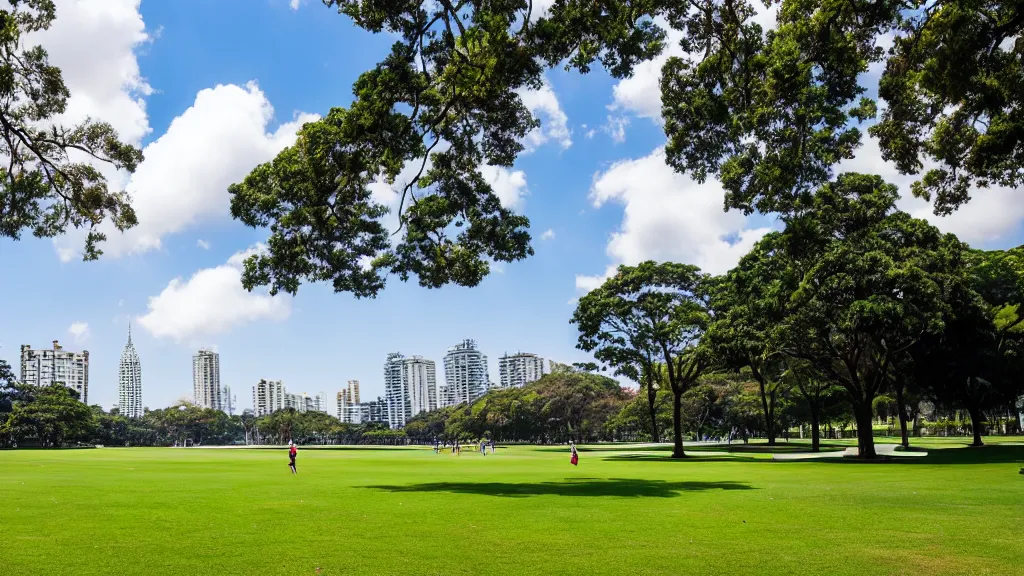 Sao Paulo
 Pobe
PobeTravel & attractions
Sao Paulo
Pobe
Real estate & living comparison
| Sao Paulo | Pobe | |
|---|---|---|
| Population | 23,086,000 | 123,740 |
Last updated: 2026-04-05T15:43:49+00:00
Comments for this comparison