
Shanghai vs. Yokosuka: Detailed 2026 Cost of Living & Quality Comparison
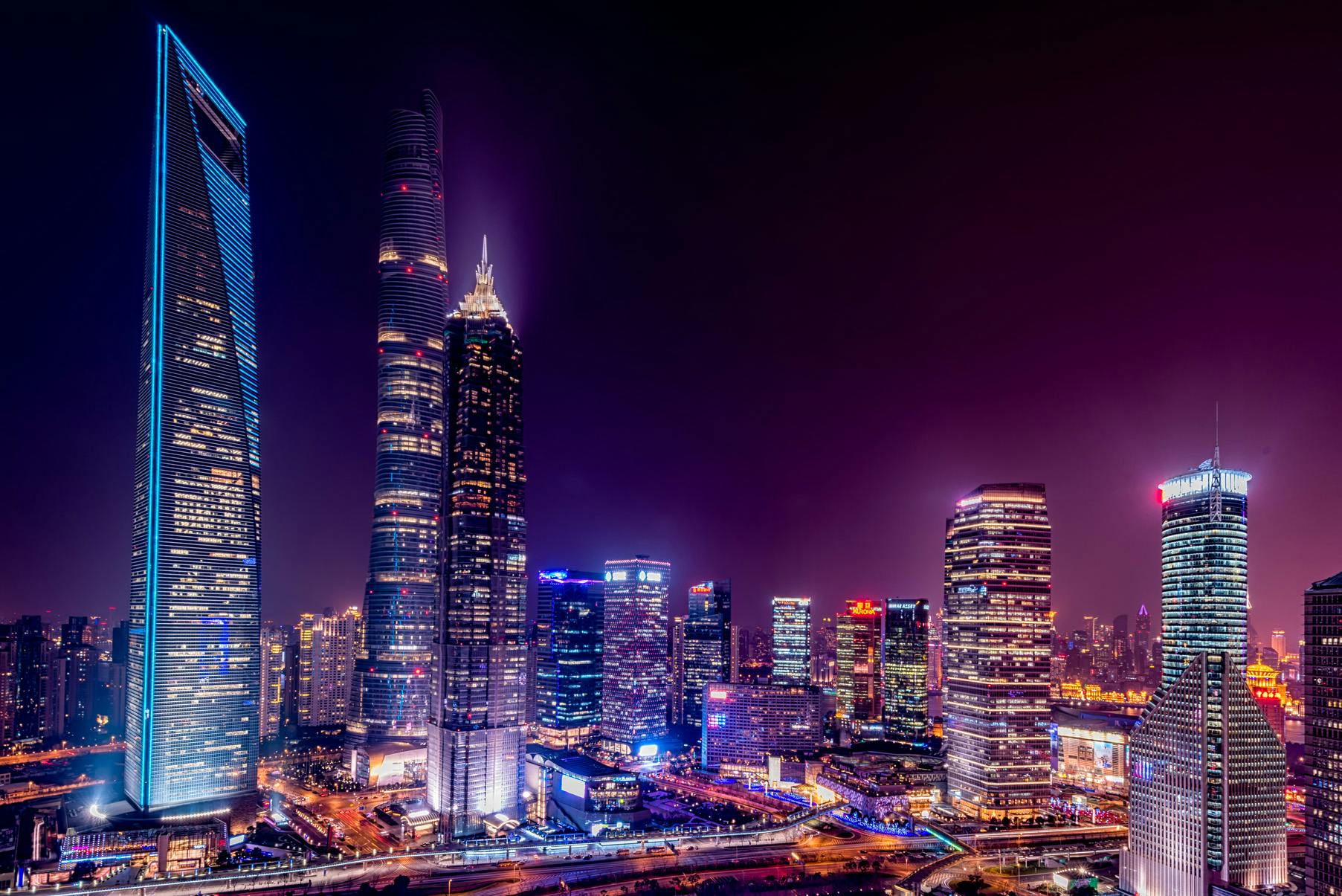 Shanghai
Image by:Peng LIU
Shanghai
Image by:Peng LIU
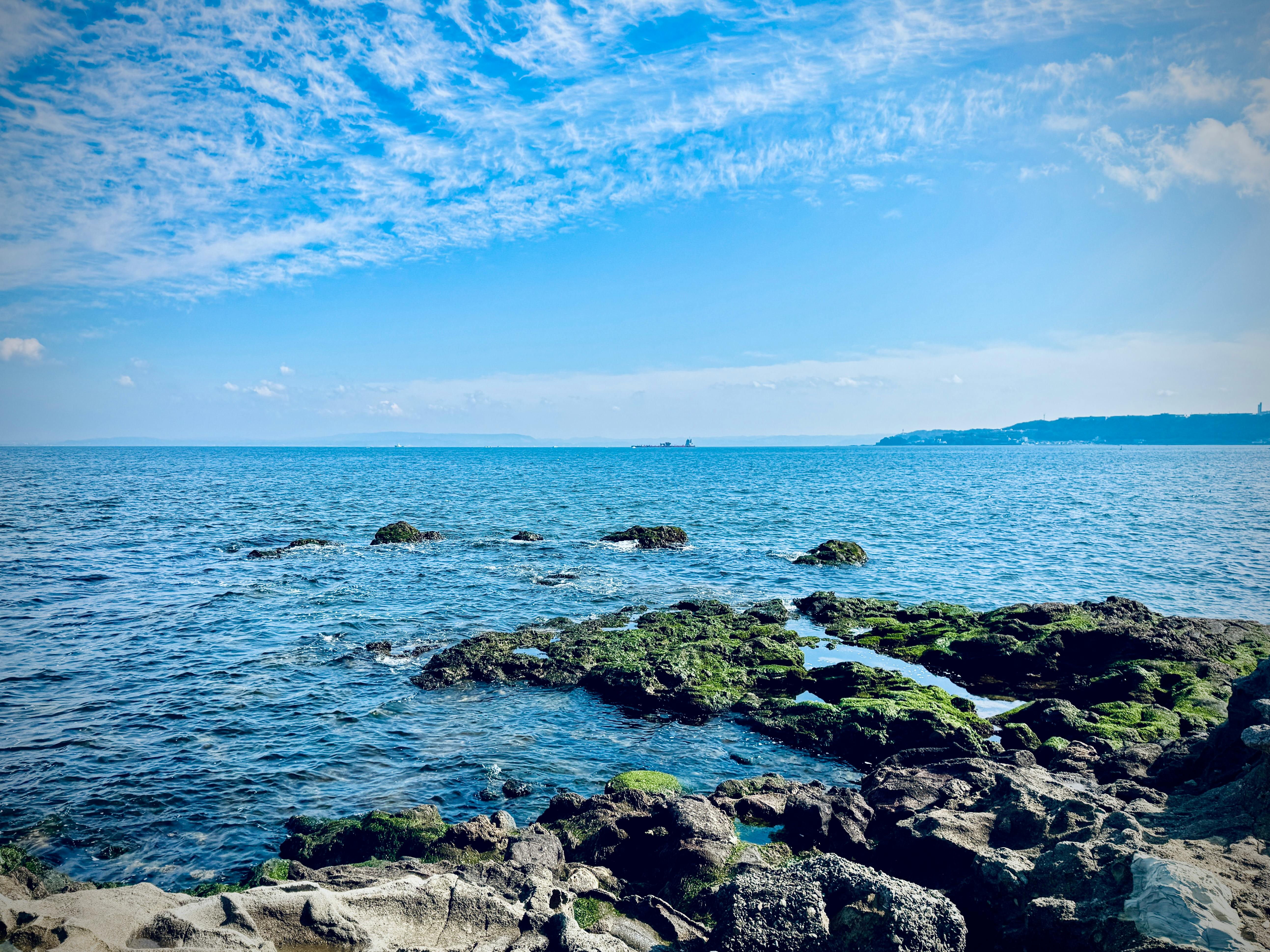 Yokosuka
Image by:BEI
Yokosuka
Image by:BEI
Shanghai, a colossal metropolis with over 24 million inhabitants, stands as a dominant global economic force in China, pulsating with immense activity. In stark contrast lies Yokosuka, a significantly smaller city of around 390,000 people, situated in Japan and serving as a key military and commercial hub near Tokyo. These cities differ fundamentally in scale, economic structure, and cultural context. Shanghai operates as a dynamic, fast-paced megacity with a GDP per capita of $22,100 in 2026. Yokosuka functions within Japan's framework, boasting a substantially higher GDP per capita of $46,200. This economic chasm directly shapes the cost of living, career prospects, and overall quality of life, making a direct comparison crucial for relocation or investment decisions.
Yokosuka presents a more affluent financial picture for its residents, evidenced by its considerably higher average monthly net salary after tax ($3,054 USD) compared to Shanghai's $1,656 USD. This disparity is mirrored in housing costs, where Yokosuka's property prices reach $25,030 USD per square meter, higher than Shanghai's city center rate of $13,769 USD/m². However, the much lower mortgage interest rate in Yokosuka (2.02%) versus Shanghai's 3.35% makes housing potentially more affordable in relative terms, despite the higher absolute prices. Rent reflects this: a 1-bedroom apartment in Shanghai's city center costs $826 USD per month, significantly more than the $540 USD in Yokosuka's city center. While Shanghai offers the potential for higher salaries due to its scale, Yokosuka provides a higher baseline income and potentially more manageable housing costs relative to income, particularly outside the center.
The quality of life differs markedly between the two cities. Yokosuka generally scores higher on international quality of life indices, with its index significantly lower than Shanghai's 131.93. This suggests Yokosuka offers a calmer pace of life, likely better safety (implied by its lower overall quality scores), and cleaner air compared to Shanghai, which suffers from a high Pollution Index of 68.29. Yokosuka's traffic commute time index is likely lower than Shanghai's 45.5, indicating shorter commutes. Healthcare access might be more readily available and potentially higher quality in Yokosuka, benefiting from Japan's universal healthcare system, although specific indices aren't provided. Shanghai, despite its economic prowess, faces challenges related to high pollution levels, significant traffic congestion, and the potentially higher stress associated with its immense size, negatively impacting daily well-being.
For career prospects and investment, Yokosuka benefits from its strategic location near Tokyo, offering access to a world-leading financial center and a diverse job market, though perhaps fewer multinational giants than Shanghai itself. Yokosuka's GDP growth rate of 1.68% is lower than Shanghai's 5.25%, suggesting more stable conditions but less explosive growth. Crucially, the lower mortgage rates in Yokosuka can significantly reduce long-term housing costs for investors or buyers. Shanghai's higher GDP per capita indicates a larger, more dynamic economy with potentially more high-paying job opportunities, but this is offset by higher competition, greater cost of living, and potentially higher risks associated with its rapid development. Yokosuka presents a potentially safer investment environment with higher salaries, while Shanghai offers greater economic scale and opportunity but with substantial financial and quality-of-life trade-offs.
Yokosuka and Shanghai present vastly different profiles. Yokosuka offers a higher standard of living, reflected in its significantly higher average net salary, lower cost of living indices, and generally better quality of life metrics. Its lower property prices relative to income and lower mortgage rates make it attractive for financial stability and a potentially less stressful environment. Shanghai, conversely, is a powerhouse of global commerce with immense economic potential and higher top-tier salaries, but it comes with substantially higher living costs, particularly housing, and significant drawbacks like pollution, traffic, and high stress. The choice depends entirely on individual priorities: Yokosuka favors comfort and security, while Shanghai appeals to those seeking maximum economic opportunity within a demanding metropolis.
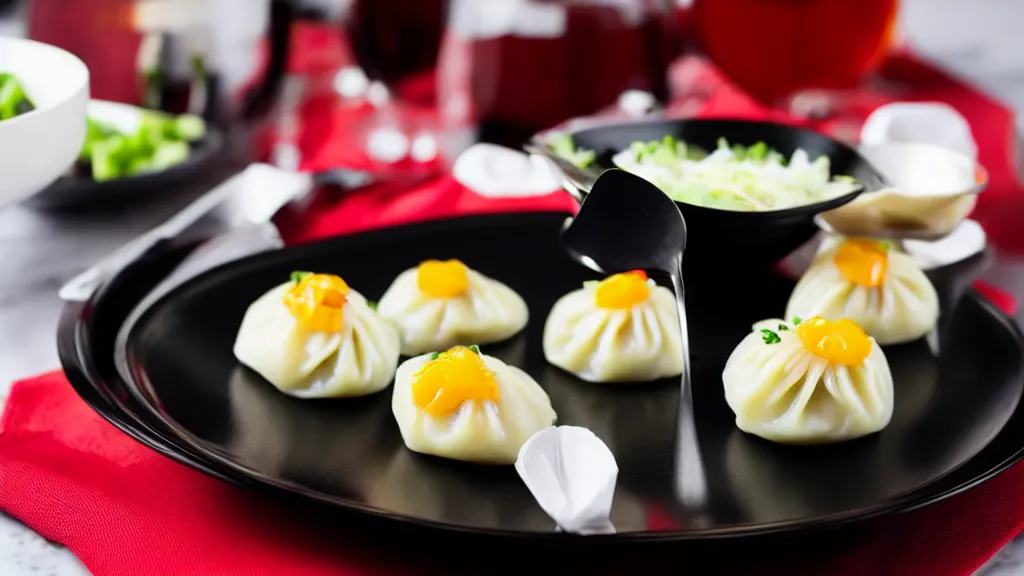 Shanghai
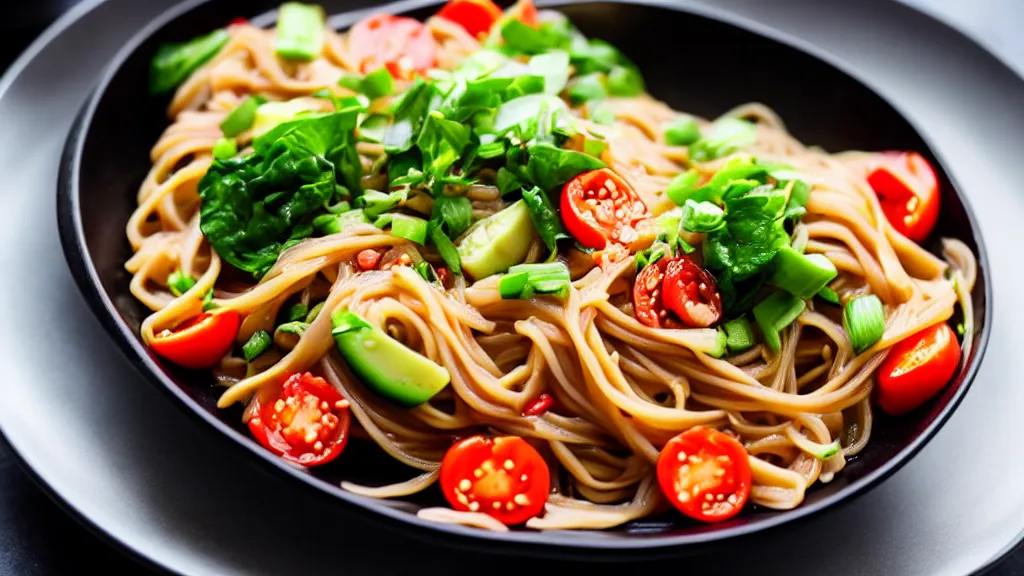 Yokosuka
Local cuisine & dishes
Shanghai
Yokosuka
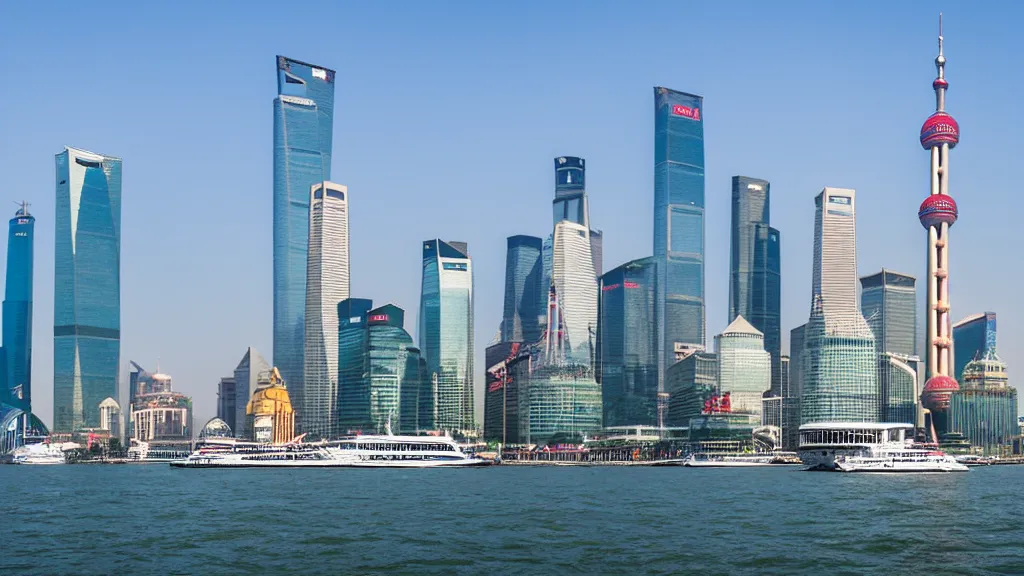 Shanghai
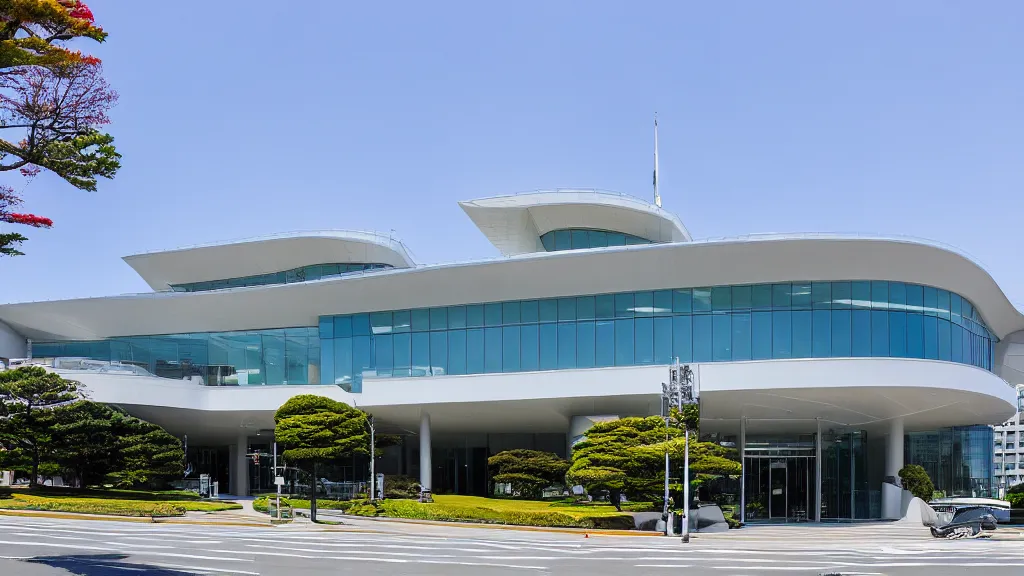 Yokosuka
Travel & attractions
Shanghai
Yokosuka
Real estate & living comparison
| Shanghai | Yokosuka | |
|---|---|---|
| International Primary School, Annual Tuition per Child | 28222.94 USD | 14789.83 USD |
| Private Full-Day Preschool or Kindergarten, Monthly Fee per Child | 1194.02 USD | 579.65 USD |
| Jeans (Levi's 501 or Similar) | 42.05 USD | 31.8 USD |
| Men's Leather Business Shoes | 115.15 USD | 63.6 USD |
| Apples (1 kg) | 2.26 USD | 3.5 USD |
| Bananas (1 kg) | 1.72 USD | 2.48 USD |
| 1 Bedroom Apartment in City Centre | 826.37 USD | 540.63 USD |
| 1 Bedroom Apartment Outside of City Centre | 511.1 USD | 318.02 USD |
| Bottled Water (0.33 Liter) | 0.31 USD | 0.74 USD |
| Cappuccino (Regular Size) | 3.07 USD | 2.39 USD |
| Annual Mortgage Interest Rate (20-Year Fixed, in %) | 3.35 USD | 2.23 USD |
| Average Monthly Net Salary (After Tax) | 1656.11 USD | 3054.05 USD |
| Cinema Ticket (International Release) | 8.71 USD | 11.45 USD |
| Monthly Fitness Club Membership | 64.43 USD | 44.52 USD |
| Gasoline (1 Liter) | 1.12 USD | 1.1 USD |
| Monthly Public Transport Pass (Regular Price) | 29.02 USD | 62.97 USD |
| Basic Utilities for 85 m2 Apartment (Electricity, Heating, Cooling, Water, Garbage) | 55.94 USD | 116.61 USD |
| Broadband Internet (Unlimited Data, 60 Mbps or Higher) | 11.79 USD | 31.32 USD |
| Population | 24,073,000 | 390,275 |
Last updated: 2026-04-05T04:52:12+00:00
Comments for this comparison